Blog

Gross Negligence New York

Most personal injury cases involve the negligence of a defendant who did not conduct themselves in the way that a reasonable person would in similar circumstances. Cases that involve gross negligence go beyond that standard of defined negligence.

According to New York law, grossly negligent conduct involves having a reckless indifference or reckless disregard for the rights of other people. In gross negligence cases, to show that a defendant acted in a grossly negligent way, you must prove that they failed to have even the slightest care for the victim’s safety.

Gross negligence and willful misconduct both surpass the defined negligence standard. If you suffered an injury due to another person’s negligence in any type of accident, you may be able to recover compensation. Mazzu Law is a personal injury law firm in New York that provides empathetic and strong legal representation for every victim. In this blog post, we discuss gross negligence as per New York courts and review your options after an accident.
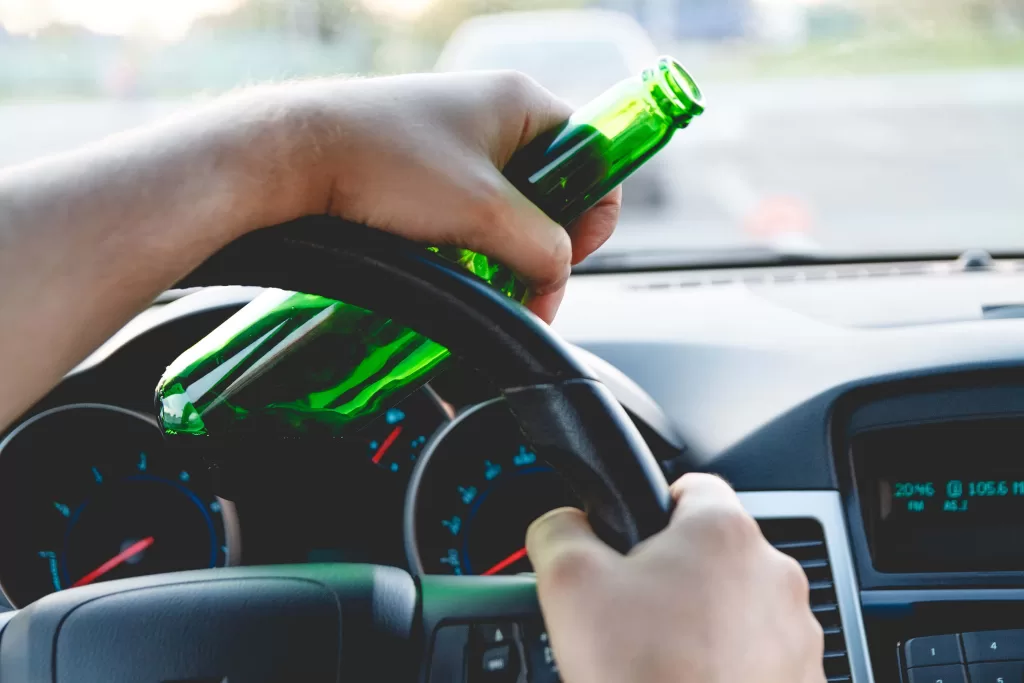
Negligence driving

Understanding What Gross Negligence Involves

Gross negligence law in NY differs from negligence and willful misconduct even though these terms are all related in some way. The gross negligence standard upheld by the New York courts is focused on the excessiveness of a defendant’s deviation from reasonable care. 

It is a substantive difference in negligence, where the level of negligence is surpassed to reach an egregious level. Common examples of gross negligence can help you understand what sets it apart from ordinary negligence and willful misconduct, the latter of which surpasses gross negligence. 

Examples of Gross Negligence

Since this level of negligence may result in punitive damages, which is meant to punish defendants, it is important to understand what makes it different. Consider a car accident, a type of personal injury accident that occurs every day. 

While the terms are related, the key difference is if a driver was speeding and drunk driving and caused an accident. If that accident involved the drunk driver crashing into a school bus while young children were getting on or off it, resulting in serious injuries or fatalities, this would be grounds for gross negligence. 

Another example of reckless disregard would be a doctor who performed a treatment that does not fit with a patient’s medical history. This is often the grounds for a medical malpractice case. 

Ultimately, a defendant may not engage in intentional wrongdoing even though it stems from their negligence pattern. This person may consistently demonstrate complete disregard for the well-being of others. If it can be proven that the defendant breached these terms in a personal injury case, the judge or jury may consider imposing punitive damages.

Proving Gross Negligence

Proving to the courts that gross negligence was a factor in your injury is similar to proving liability for negligence. It requires showing that the party or parties involved exhibited this conduct which means satisfying four criteria:

Duty of Care

The first step is proving that the defendant owed the victim a duty of care, otherwise known as a legal obligation to behave in a reasonable way. As an example, all drivers on the road must drive safely as it is their duty to keep other drivers on the road safe.

Breach of Duty

When a person takes actions that are excessively careless, they breach their duty of care. A person who far exceeds the legal limit for intoxication and gets behind the wheel would be breaching their duty to other drivers.

Causation

In cases where someone behaves in a grossly negligent way, their actions must be shown to have caused severe injury or harm to the victim.

Negligence driving actions

Damages

Parties that acted with gross negligence caused the accident, injuries, and financial losses to those they harmed. 

Proving negligence is challenging when you are suffering from painful injuries. When the actions of another are grossly negligent, you will need a Buffalo personal injury lawyer to help prove why the defendant should have punitive damages imposed on them. Punitive damages are not awarded in every personal injury case and you will require an experienced attorney who will know what evidence will best support your claim. This evidence may include detailed medical records, police reports, photos and videos, expert testimony from accident reconstructionists or medical experts, eyewitness testimony, black box data, and surveillance or traffic camera footage. 

The greatest benefit of showing the substantive difference between negligence and gross negligence is that punitive damages may be added to punish the defendant. They also serve to discourage others from behaving in such egregiously negligent ways. In general, the more reckless and indifferent the at-fault party is and the more evidence you have to prove it, the more likely you will have punitive damages awarded in your case. 

Why You Need a New York Gross Negligence Attorney for Gross Negligence Cases New York

When you are involved in an accident that was caused by someone else’s gross negligence, you do not deserve to incur all of the expenses that come with it. You likely have major medical bills and expenses from your hospital stay, surgeries, assistive medical devices, prescriptions, physical therapy, and much more.

You’ll also be likely to miss work and those lost wages can further destroy your financial situation. Along with the mental impact this kind of experience can have, you may no longer be able to do the things you once loved doing, all because someone else had such a blatant disregard for behaving responsibly.

If you are in this type of situation, it is imperative that you get gross negligence legal help in NY. Attorneys will know the best strategies to use to fight for the money you deserve. You’ll have the chance to focus on healing and your recovery while your lawyer advocates for you. Contact Mazzu Law today to discuss your case in a free initial consultation where you’ll learn more about your legal options. 

Can Creditors Take Away Your Personal Injury Settlement in NY?

Personal injury settlements can help you recover the costs you’ve incurred as a result of someone else’s negligence in a car accident or other personal injury event. You may get a settlement award that provides for your medical care, which would include all medical expenses for surgeries, physical therapy, prescriptions, and other medical costs. 

You may also recover your lost wages in your compensation for being unable to work, along with other expenses, such as non-economic losses. However, the process of your personal injury claim may have forced you to file for bankruptcy. 

During the process of bankruptcy, you may wonder, “Can creditors garnish my injury settlement?” At Mazzu Law in New York, our attorneys represent victims in personal injury cases. Many of our clients worry, citing “creditors access to my injury settlement funds” and want to know what they can do about it. 

This informative article discusses the concerns that many personal injury victims have regarding their personal injury settlements and answers the question, “Can creditors take my personal injury settlement?”

Personal injury

What Are Personal Injury Settlements?

Personal injury settlements are the result of a favorable outcome in a civil lawsuit. The settlement amount will vary depending on the total of the expenses suffered by a victim as well as the type and extent of their injuries. 

With a personal injury settlement, you may recover money for your medical treatment and other losses. Due to the costs you’ve incurred, especially if you were already on shaky financial ground, you may need to file for bankruptcy. Under New York law, creditors may have some access to these funds, and understanding the partial exemptions can help you determine your next steps. 

Can Creditors Claim My Personal Injury Settlement?

In New York, federal or state exemptions can protect you in most cases when filing for bankruptcy. However, whether creditors can take your personal injury settlement during bankruptcy depends on a few factors.

Here is a look at when you may have cause for concern with the New York bankruptcy court and your personal injury settlement:

Wage Garnishments

A government agency or bankruptcy court may issue a court order that requires your employer to withhold some of your money from your paychecks. This is known as wage garnishment, and there are legal limits that specify how much they can take.

Seizing a Debtor’s Assets

Creditors may also try to seize assets from a debtor but they can’t take what they want. They must get a legal judgment first, which would allow them to take non-exempt assets.

Medical Care Liens

After an accident in New York, creditors can place liens on a personal injury settlement. The lien is often placed by the medical provider who provided the medical care for the injuries that were addressed in the lawsuit. 

In some cases, health insurance coverage will not cover certain treatments, leaving victims to pay the medical bills. If you were not covered by your health insurance provider for these treatments, you may be asked to sign a lien stating that the provider has the right to recover these costs from your personal injury settlement. This tends to be common in New York as many people either have no health insurance or their coverage is inadequate.

Child Support Liens

If you have to pay child support, then you should know that New York takes child support payments very seriously. Hence, liens can be issued for overdue child support on personal injury settlements.

Unpaid Taxes

You should know that if you have any unpaid taxes, the federal government does not need to issue an order to garnish your wages. They can simply issue this ruling and take wages to satisfy unpaid debts for state and federal taxes.

Just when you thought your bank account would be back in good standing, another legal proceeding may arise that could allow debt collectors to take part of your settlement during bankruptcy. However, personal injury victims have ways they can protect themselves to a degree. It is always best to discuss your unique circumstances with a financial advisor and a Buffalo personal injury lawyer to find the best way to proceed.   

Federal Bankruptcy Exemptions

If you file for bankruptcy under Chapter 7, certain assets will not be allowed for bankruptcy exemption. In New York State, you have the option to apply for state or federal exemptions. Since federal law provides more generous guidelines in this regard, many personal injury victims choose to go that route. Here is a look at those exemptions:

Personal Injury Settlements

Federal law allows exemptions for personal injury settlements of up to $25,180. However, be aware that the exemption for this only applies to the economic damages in your settlement amount, such as your medical expenses or lost income. It will not apply to non-economic damages as that amount is routinely adjusted due to inflation.

Wildcard Exemptions

You may also be able to get a wildcard exemption. A wildcard exemption lets you protect anything you want, up to the value of $13,900 for any non-exempt asset. Some people use this to protect their home’s equity but in those cases, it may be a lower amount. 

If you use New York’s exemptions for your settlement during bankruptcy, the exemption only allows for up to $8,500 on compensation that is for bodily injury only. 

How to Protect Your Personal Injury Compensation

When you have a personal injury case, it is of great importance to have a protected personal injury settlement from creditors. Here is what you can do to minimize the fallout and protect your compensation.

Keep Your Settlement Separate

Never put your settlement in the same checking account as your other funds, such as your paycheck. Known as commingling funds, creditors often argue that when it is in the same bank account as your other income, it will not be exempt.

One of the best things you can do after you get your settlement when you owe a large debt is to avoid depositing it into the same account. Create a savings account to keep the funds separate and you will be able to protect your settlement from creditors while undergoing bankruptcy. 

Label Settlement Funds

Legal consultation

If you are currently going through bankruptcy or there is a possibility you may file for it to assist with some of your debts, make sure your funds from the settlement are labeled. Remember, in bankruptcy, you can exempt the economic damages of your settlement from the collection of debts. 

Get Help with Bankruptcy and Debts

It can be overwhelming and frustrating as you deal with this process, especially after suffering injuries at the hands of someone else’s careless actions. You should speak with an attorney and a financial advisor about what the best course will be for you in your specific situation. With financial planning, you will be able to prepare for any debt collection while protecting what should rightfully be yours. 

How a Personal Injury Attorney Can Help You Protect Your Personal Injury Settlement

When you have outstanding debts and loans, it just adds to your turmoil while you try to recover from your injuries. The compensation you receive should help you make your life as whole as possible again following your painful injuries. 

In some cases, victims involved in these circumstances may also face issues with employers over garnishment of wages. The laws afford you some protections, particularly if you have only one judgment of garnishment for your income. However, any more than that and you will have a lack of protection. Despite this, your employer does not have the right to terminate you, refuse to promote you, or take other negative actions against you.

Whether you are facing issues with garnishment or simply need help protecting your personal injury settlement, a personal injury attorney can help you. From the moment you have been injured by the negligent behavior of another person or entity, you should consult a lawyer.

At Mazzu Law, we provide comprehensive legal services that include investigating your case, gathering relevant evidence, and negotiating for your full and fair compensation. If there is a chance that you need to file for bankruptcy or your financial situation was dire prior to this injury, we will review all the factors and help you take the right steps to protect your settlement. 

We work to make sure you get to keep as much of this money as possible, especially if the defendant was the cause of your financial fallout. Contact our law office today to schedule a free initial consultation where we can review the factors of your case and help you find the best way to move forward. 

5 Simple Ways to Make Your Car Safer

Car maintenance

Every day that you sit in the driver’s seat is another day that you are at potential risk of a car accident. The steps you take in making your car safer can certainly help and by improving vehicle safety, you may even be able to save more on your car insurance. 

While newer cars will have improved safety features, there are ways to make an older car safer. Mazzu Law is a renowned personal injury law firm that specializes in traffic laws, especially those pertaining to accidents, and assisting victims in recovering fair compensation. 

In this article, we provide tips for how to improve car safety and what to do if you are the victim of a crash. 

The Importance of Car Safety 

The way you drive is important as you are responsible for controlling your vehicle, abiding by the laws, and watching for pedestrians and cyclists. Following these car safety tips can greatly benefit you and all passengers in your vehicle. It can also help you avoid crashes and experiencing car insurance premium increases.

The one thing you can’t control on the road is other drivers. Even if you drive safely, you have no idea what kind of person is driving the car beside you. They may be drunk driving, distracted, or simply didn’t get enough sleep. 

Since every time you get behind the wheel you are at risk, the only thing you can control is making your car safer in the event of a collision. These tips will help you do your best to avoid any tragic circumstances. 

1. Maintain Your Vehicle 

When it comes to older cars or even a new car, you will be much safer if you follow regularly scheduled maintenance. Some of the things required to maintain your vehicle are tasks you can manage yourself. This would include making sure that your seat belts are in proper working order, checking in on your tire pressure, and checking that all lights are operational.

If your tire tread looks worn, it may be time to get new tires. They will ensure a strong grip on the road, even in bad weather. Additionally, tires should be right for the season. You’ll want to make sure you purchase the right ones to keep you safe in heavy snow in winter.

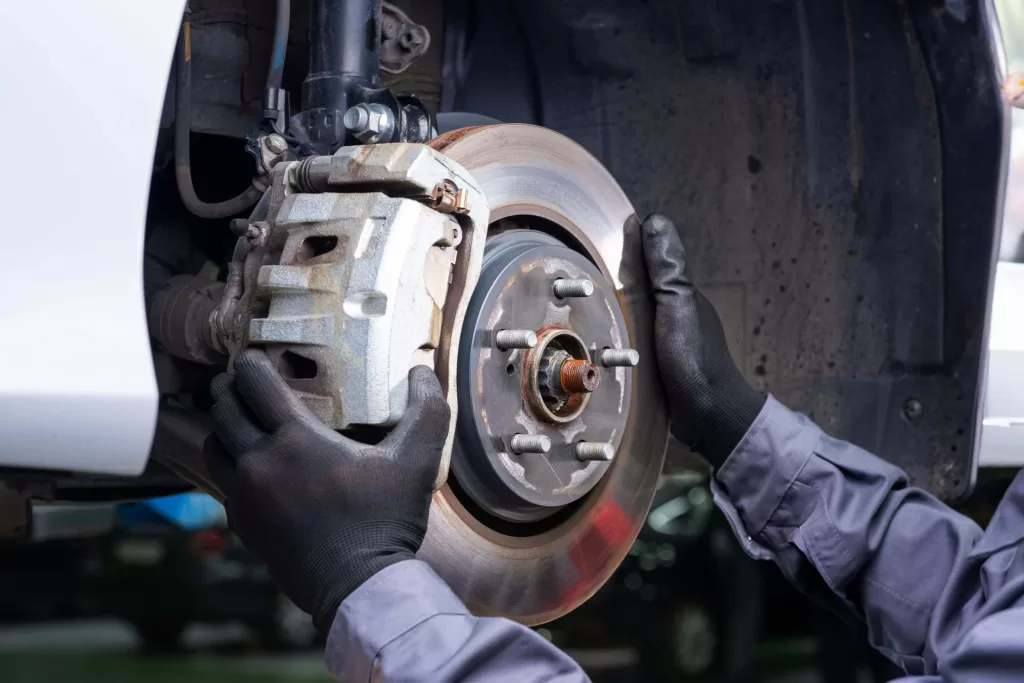
A mechanic should inspect braking performance. If your brakes are worn, they can put you, your passengers, and other drivers in danger. Regular maintenance can help you avoid issues when traveling at highway speeds, ensuring that your engine and all integral parts of your car are roadworthy.

Additionally, don’t forget about your windshield wipers. You should replace them if they aren’t easily clearing rain and condensation out of your way. A quick trip to the auto shop can make sure that everything from your wipers to your car’s handling are in proper working order and ready for the road ahead. 

Car safety

2. Add Safety Features

Many cars manufactured in recent years are equipped with modern safety features. If you have a new car, you may already have the most up-to-date system on the road. 

However, even if your car is older, you can add aftermarket features to improve its safety. 

Electronic Stability Control

Electronic stability control (ESC) is one of the few safety features you can’t add if your vehicle isn’t equipped with it. Since it has been standard in all vehicles since 2012, your car should have this feature unless it is older than that. 

ESC sensors work with the antilock brake system (ABS) and traction control system (TCS) to help prevent crashes. It should be noted that this system works best when your tires are inflated to proper PSI levels as advised by your vehicle manufacturer.

Lane Departure Warning

Adding a lane departure warning system is a smart move if you want to be safe. This system uses different system alerts such as visual warnings, vibrations, or sounds. The sensors will let you know if you are drifting out of your lane.

Rear Cameras

Installing sensors with a rear camera with pedestrian detection is a great idea if your car is not already equipped with this feature. It can make a big difference when you are backing out of your driveway or a parking space. Backup cameras can help you avoid pedestrians or a stationary object. 

It may just be the best automotive technology to add to your car as it helps you see blind spots. One big blind spot is below the rear window of your vehicle, and with a clear line of vision through the blind spot-focused camera, blind spots are quickly becoming a thing of the past.

Other features can provide automatic emergency braking, voice commands for your mobile phone, and adaptive cruise control, among others. If you add these options to your vehicle, make sure you inform your car insurance company. You may be eligible to get a rate discount by making these safety updates to your car.

3. Make Sure You Abide by Child Safety Requirements

If you have children as your most frequent passengers, you must do everything you can to protect them. Teach them how to buckle their seat belt and the importance of always wearing it while you are driving and set a good example that will serve them well for life.

Younger children should always be buckled into child safety seats while older children should sit in booster seats. For infants, make sure the car seat faces the rear of the vehicle. If you are unsure of how to install a child safety seat, you can always stop by your local police department. Many officers are happy to help ensure that drivers and their young children are following all metrics of safety while driving. 

4. Adopt Smart Driving Habits to Protect Yourself from Other Vehicles

You can’t control other vehicles but you can control yours. Understanding the principles of defensive driving can help you stay safe and may be the key to avoiding rear end collisions or a run-in with someone who is drunk driving alongside you on the road. If you don’t regularly follow these habits, make it a point to do so or sign up for a class to refresh your defensive driving skills.

Always Wear Your Seat Belt

Every driver and passenger should wear their seatbelt while driving and keep the driver’s seat a reasonable distance from the steering wheel. In the event of a crash, you will be less likely to sustain injuries from the airbags.

Stay Attentive

Drivers who pay attention to the task of driving and refrain from distractions can avoid or react effectively to a dangerous situation.

Follow at a Safe Distance

The best way to avoid a crash is to adjust your speed to follow at a safe distance. If the car in front of you stops suddenly, you won’t get into a collision if you’ve left enough room.

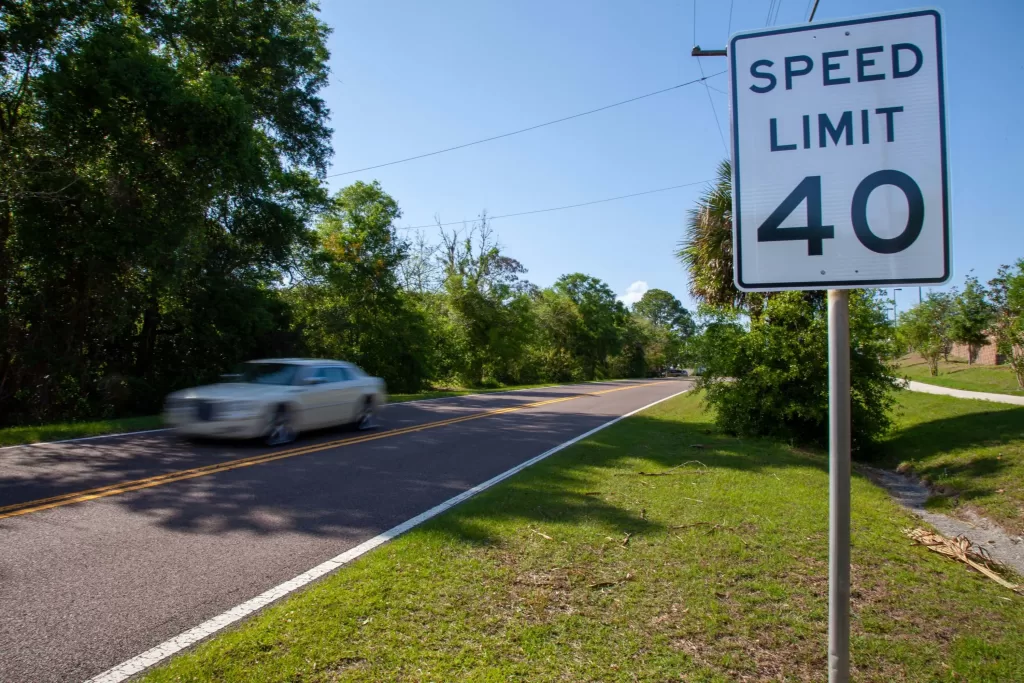
Obey the Speed Limit

speed limit

Drivers who speed are more likely to crash. Follow the posted speed limit but be prepared to go slower if the weather conditions impact the grip of your vehicle’s tires or your visibility.

Know and Follow All Traffic Laws

When you are driving, make sure you’re following the rules of the road. While keeping the speed limit in mind, it is also important to know when to yield the right of way as well as use the turn signal to communicate your intended direction to other drivers.

Plan Your Route

Technology makes it possible to pull up a map in real-time. If you have a new vehicle, this technology is likely built into your car. If you have an older vehicle, you can connect your smartphone using a mount and use its GPS. 

However, you should always review the route to your destination prior to departing. Familiarize yourself with it and you’ll be less likely to stare at the screen and take your eyes off of the road. Additionally, you should take things like the time of day you’re making this trip into consideration. Rush hour traffic will make for more crowded roads and foul weather can slow things down.

Be Safe While Overtaking Other Cars

Before you pass other cars, make sure you have enough room. When driving in front of other cars, you don’t want to pass so closely that they must hit their brakes. Be a smart driver and consider other cars. Even better, make sure you use your signal prior to switching lanes. It could save your life.

Avoid Rushing to Avoid a Crash

In almost every type of collision, particularly ones that happen head on, the core reason is due to driver error. While some people are distracted while driving, others are rushing because they are in a hurry. Nothing is more important than getting where you are going safely. Plan ahead to leave early and give yourself more time. 

5. Prepare for Emergencies

All vehicles should be equipped with equipment for an emergency. You should have a spare tire and tire jack in your vehicle at the bare minimum. You may also want to consider other emergency equipment designed for vehicles such as a power tire inflator and a tire repair kit.

Jumper cables, warning triangles, and multi-use tools are also encouraged. In particular, a multi-use car tool can help you cut seat belts after a crash, break glass to escape if you have no other way out, and perform other tasks to assist in an emergency situation. 

If you are the victim of a crash, you should know how to handle that. The first thing to do is call 911 to get help. They will send emergency medical services for anyone who is injured, and it is wise to get a medical evaluation right away, even if you don’t think you’re hurt. 

While today’s technology in vehicles helps minimize injuries to a degree, the force of an auto wreck can impact vital organs in your body from your brain to your lungs. Try to take photos or videos if you are able to after the accident as you will need to report what happened to your insurer. There’s a chance you may be fully or partially blamed for this event, and if your injuries are serious, you certainly don’t want that to happen. 

Make sure you contact a Buffalo car accident lawyer who can help you investigate the true cause of this incident and gather evidence on your behalf. Many drivers end up in the hospital after car crashes and don’t have the opportunity to properly capture the aftermath. When you hire an attorney, you will have someone representing your best interests to recover the compensation you deserve as a result of another driver’s negligent acts. 

You can do many things to make your car as safe as possible, but you can’t always protect yourself from bad drivers. With Mazzu Law, you’ll find compassionate attorneys committed to making things right after your crash. Contact us today to get the legal representation you need and schedule a free consultation. 

Willful Misconduct New York Law

New York courts always look at the severity of certain actions under the law. These will involve three terms known as negligence, gross negligence, and willful misconduct in NY law. 

New York willful misconduct laws are different from negligence and gross negligence. Willful misconduct tends to be a part of indemnity or insurance agreements. Mazzu Law is dedicated to providing comprehensive legal services in New York with experience in handling cases related to willful misconduct. In this blog post, we discuss the laws involving willful misconduct and how they differ from gross negligence in New York courts. 

Understanding Willful Misconduct

The willful misconduct definition New York follows is when a person is aware of the consequences of injuring another and does nothing to adjust their behavior to avoid those consequences. In other words, they conduct themselves in a manner that has the potential to hurt someone else and do so willingly.

This differs from willful conduct in that willful misconduct isn’t necessarily malicious. It’s more about conduct that disregards known rules. The definitions of these terms of conduct can be confusing, which is why it may be best to look at a few examples to demonstrate how New York courts view willful misconduct.

In the business world, these obligations can be illustrated by looking at a bar owner who allows more patrons into their establishment than permitted by the fire code. They know the risk of taking this action, but choose to do so anyway. Guests become injured when a small fire breaks out because they struggle to get out safely.

It goes beyond negligence with this type of conduct simply because the owner knew the risk and the danger that could arise by taking that risk. Negligence and willful misconduct are closely related, but there is a substantive difference between the two, and in NY, this breach could mean more than liability. It could mean punitive damages are awarded to the injured parties in court.

For someone with a contract or employment at a company, willful misconduct could be ignoring legally required safety mandates. If your employer is engaging in similar behavior, it is vital that you discuss your situation with a Buffalo workplace injury lawyer

How Does Willful Misconduct Differ from Gross Negligence?

Citing Black’s Law Dictionary, the terms gross negligence and willful misconduct are distinct based on the severe degree of negligence and reckless disregard for the safety of others. Gross negligence and willful misconduct both hinge on negligence but it is easier to see the differences between the defined negligence terms of gross negligence and willful misconduct via an example.

A driver may speed in a school zone, resulting in running down school children who become injured or are killed as a result of this grossly negligent behavior. Gross negligence and willful misconduct terms are similar but different. All three terms of varying negligence can also be evident in contracts and any other type of agreement in business. An attorney can help you understand the defined negligence terms and whether or not they apply to your circumstances.

The Legal Consequences of Willful Misconduct in NY

court room

In New York, the standard clauses of defined negligence may result in legal consequences. The consequences will vary widely, depending on the circumstances. 

As an example, a professional engaging in this type of misconduct can face liability through a civil suit in the courts while losing their professional license. An employee who breaks the contract of their work specifications may be banned from collecting unemployment benefits. Punitive damages will likely be sought in court by the injured or harmed parties.

How Mazzu Law Can Help You with Willful Misconduct and Gross Negligence

In personal injury cases, the wronged party, known as the plaintiff, has the burden of proof. Cases that involve willful misconduct or gross negligence have a higher burden as it must be shown that the defendant went beyond ordinary negligence with their behavior.

In the courts, these cases can be complex as you’ll need to establish a duty of care, breach of duty, causation, and damages. Having an attorney can help you prove liability to the courts for the involved parties. At Mazzu Law, we will help to strengthen your case for willful misconduct to fight for punitive damages. If you are currently struggling with a possible case that involves these levels of negligence, contact us today to schedule a free consultation to determine your next steps. 

Are ATVs Street Legal in New York?

ATV on the road

In New York State, especially in Upstate New York, many people enjoy riding ATVs. However, they can be dangerous vehicles. Safety is imperative when operating ATVs, as is abiding by ATV laws set by state law.

Many people wonder if they can ride ATVs on public streets. Mazzu Law is a personal injury law firm in New York committed to supporting accident victims. In this blog post, we provide a guide to New York laws about operating ATVs safely and legally.

Understanding ATV Laws

Before discussing legal ATV use, it is important to understand what New York state considers an ATV. By definition, an ATV is an all-terrain vehicle, or self-propelled vehicle, with two or more wheels manufactured for the specific use of off-road riding. These should not be confused with snowmobiles, which are regulated by a different set of laws.

ATV safety is important because, unlike other motor vehicles, ATV riders have little to protect them in an ATV accident. Below, we review the laws that are specific for ATV use. 

ATV Registration, NY

All ATVS in New York must be registered and have a license plate, even if the only place you ride your ATV in New York is on your property. An ATV dealer has the responsibility of registering every ATV sold before the purchaser can take delivery. 

There are certain cases for exemption such as when the ATV will be used outside of New York state, used for agricultural purposes or snow plowing when not for hire, and special events. Anyone who purchases an ATV from someone other than a NY state ATV dealer must register the vehicle with the DMV.

If you purchased your ATV in another state and then moved to New York, then ATV use is not legally permitted until you register it in New York. You must also provide proof of ownership, sales tax payment, identity, and date of birth for your registration, which will last a full calendar year before requiring renewal.

Liability Insurance

New York ATV laws also mandate that an ATV owner can’t use this vehicle anywhere in the state except on their property unless they are covered by liability insurance. This will be essential if you get in an ATV accident or are questioned by authorities. You will need to have this insurance for property damage or injury claims.

Who Can Operate an ATV in New York?

You do not need a driver’s license to operate an ATV in this state; however, there are ATV use restrictions for anyone under the age of 16. Anyone between the ages of 14 and 15 can only operate an ATV under the following circumstances:

  • There is adult supervision present.
  • In the absence of adult supervision, ATV riders in this age bracket can only ride ATVs on private property owned or leased by their parents or legal guardians.
  • Children of this age may also ride unsupervised on lands where use of this vehicle is permitted with a complete ATV safety training certificate approved by the Department of Motor Vehicles (DMV).

Anyone under the age of 14 must either be supervised by an adult or on lands owned or leased by their parents if they don’t have supervision. People of any age can only ride ATVs on public land where ATV use is allowed and acknowledged by signs. You cannot ride an ATV on private land unless you have permission from the property owner.

General Laws Required to Operate an ATV in New York

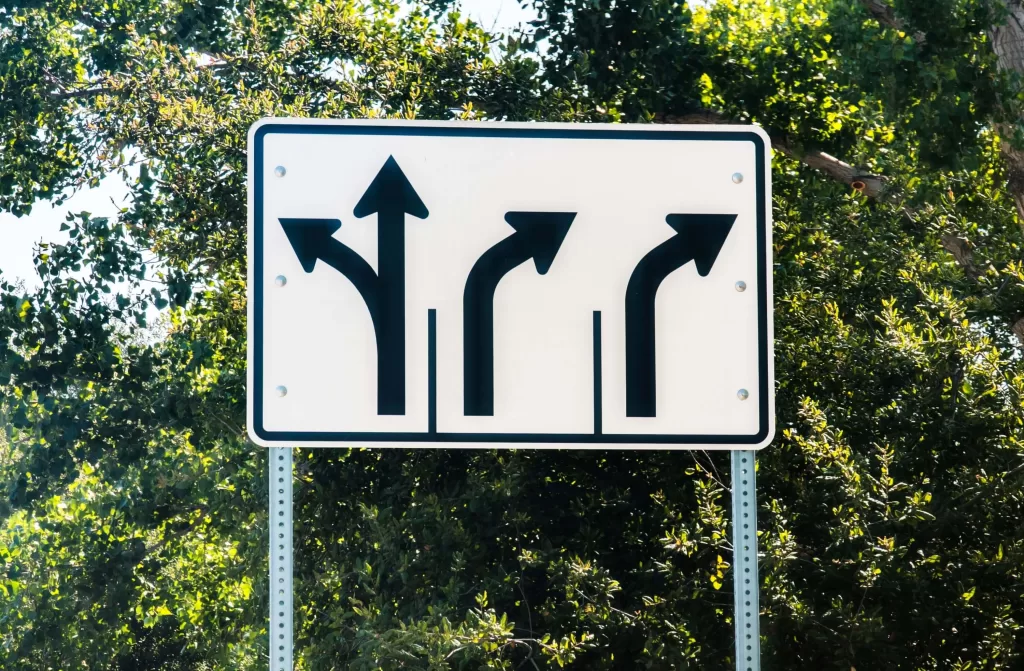
arrows

There are additional restrictions imposed on anyone riding an ATV in this state. You aren’t allowed to carry any passengers unless the specific model of ATV is designed to carry a passenger. Helmets must also be worn at all times by riders of all ages. 

Additionally, an ATV cannot be operated from a half hour after sunset to a half hour before sunrise without a lighted headlight and taillight. This half hour rule is implemented instead of set hours of the day as there could be more or less light at a particular time when the seasons change.

You should not speed on any land, nor should you ride an ATV while under the influence. While these conditions may be prohibited, some people push the limits. In snowy weather for example, you can’t pull someone behind your ATV while they are on skis, sleighs, toboggans, or anything similar without a tow bar or other solid, rigid connection.

Required ATV Equipment

Don’t make the mistake of only getting your registration and other pertinent documents for your ATV in New York. Beyond the registration, you must also have a USDOT-approved helmet. 

Make sure your off-road vehicle is maintained at regular intervals. It should have brakes in good condition, a muffler that meets federally-mandated standards, a U.S. Forest Service-approved spark arrester to prevent forest fires, tires that are in proper condition with 2/32nds of an inch of tread minimum, and operating headlights and taillights. 

Can You Operate ATVs Alongside Other Motor Vehicles on the Roads of New York?

Can you have a street-legal ATV in New York? Even though you must register an ATV like other motor vehicles, you are not permitted to ride them on public roads or highways. 

There are certain exceptions, such as any highway that is designed and marked with a posted sign for ATV use. These highways will only be short distances that connect to off-road trails. 

The Department of Motor Vehicles does permit the crossing of highways in certain circumstances while riding an ATV. It is recommended that you avoid crossing a highway unless it’s absolutely necessary. When crossing a highway, make sure that you cross at a 90-degree angle where there are no obstructions to quickly and safely get to the other side. 

Before crossing, come to a complete stop and yield the right of way. Since these vehicles are designated for use off main roads, they do not come equipped with turn signals. You must cross highways with extreme caution while operating them. You can cross roads with divides as well, but only where it intersects at another street. Crossing any interstate is strictly forbidden.

The rules may be strict but they are there to prevent an ATV accident from occurring. ATV safety is imperative as they are easy to flip and get into a single vehicle accident. It is possible to get into an accident with other vehicles, especially if you aren’t taking the right precautions. 

Safety Regulations Designed to Prevent an ATV Accident

The Department of Motor Vehicles in New York has strict rules that go beyond the requirements of sales tax payment and other paperwork for vehicles specifically designated for off-road use. Just like dirt bikes and e-bikes, operators of these vehicles must abide by the restrictions and regulations imposed for their safety.

ATV safety courses by the DMV are required for younger riders but as mentioned above, operators over the age of 16 are not mandated to take them. However, they can help keep you safe while riding your ATV.

You should know where you are permitted to ride and where riding is forbidden. It’s also important to protect yourself and abide by safety standards, even when riding on your own New York property. Helmets are mandatory, though eye protection, gloves, boots, long-sleeved shirts, and pants are highly advised to help keep you safe while on your ATV.

Steps to Take After ATV Accidents in New York

After an ATV accident in New York, you need to know what steps you must take. 

Report the ATV Accident

ATV accident

First, you’ll need to provide proof of insurance to anyone you’ve injured using acceptable documents. Any damage to property must be reported to the owner and you should contact the local police as soon as possible. 

The accident may not have been your fault but the police should be alerted, especially if someone was injured or killed. You’ll also need to report the accident to authorities if damage was $600 or higher.

Inform the DMV

After the police have been notified, you will need to file a report with the DMV in certain circumstances. The law dictates that this must occur within 30 days of the accident if there were injuries, fatalities, or the damage was $1,000 or more.

Failing to make this report could result in criminal charges. In New York, it is a misdemeanor, which can result in the suspension or revocation of your registration. If you are incapacitated in this accident, someone else can file the report on your behalf but you must still make this report yourself as soon as you are capable.

Contact an Attorney 

When you get in an accident on this type of vehicle, it is vital to obtain representation from a Buffalo personal injury lawyer. You likely never thought of this situation arising when you purchased your ATV, applied for its registration, and paid the sales tax. However, all operators of these vehicles must take the necessary precautions to avoid tragic events.

You may have been riding on land that you were allowed to be on in accordance with the laws when an accident occurred because an e-bike or car came out of nowhere. The at-fault laws in the state mean that you can seek compensation for your injuries and damages from the person who caused the accident. With the pure comparative negligence laws, you can still recover compensation, even if you share up to 99% of the fault.

Your injuries can be costly and if someone else caused them, you should not be blamed. When you contact Mazzu Law, you will find compassionate legal representation for matters involving ATVs. Our attorneys will investigate and review the evidence to help support your claim. Since accidents involving these vehicles can be complicated, it is wise to gain legal insights from lawyers who understand the requirements of the laws imposed by the state and can outline your legal options. Schedule a free initial consultation to discuss your ATV accident. 

Negligent Supervision Claims: What Is Negligent Supervision?

Employers must oversee their employees to supervise the work they do. Every employer must provide adequate supervision to prevent accidents and injuries. When an employer fails to adequately supervise their employees, they may be held liable for negligent supervision.

If you were hurt because your employer failed to uphold proper supervision, causing you injuries, you may have a negligent supervision claim. Mazzu Law is a team of personal injury attorneys who can help in cases where negligent supervision occurs. Our team is dedicated to your care and well-being and will fight for compensation for your injuries.

In this informative blog post, we discuss negligent supervision, the legal concepts surrounding it, and the steps you can take to recover your economic losses.

supervisor

Understanding Negligent Supervision

Negligent supervision is a concept that is related to vicarious liability in which an employer may be held liable for an employee’s actions during the course of employment. It is often seen in nursing homes and daycare centers but it can and does happen in other places of employment. If a supervisor failed to keep employees safe and they suffered an injury, the supervisor could be held responsible.

In the workplace, failure to provide adequate supervision could lead to different types of employee misconduct, including sexual harassment or workplace violence. An employer’s failure to protect employees from these occurrences could result in a lawsuit if the employer knew or should have known about the transgression and done something to prevent it.

Common Negligent Supervision Cases

Supervisors and employers do not need to be involved in every single aspect of an employee’s employment. However, an employer may be held responsible when that employee does certain things, such as when an employer hires someone unsuitable, fails to prevent irresponsible conduct, or ignores allegations of misconduct among the employees. 

The best way to understand whether or not you have a negligent supervision case is to take a look at some examples. Here is how negligent supervision can occur in the workplace:

  • An employer ignores the sexual harassment of an employee or encourages a corporate culture that permits this type of abhorrent behavior
  • A trucking company fails to provide adequate training or falsifies trucker driving logs, leading to a serious accident that requires a truck accident lawyer
  • Employers who engage in negligent hiring, allowing intoxicated workers to use heavy machinery that leads to an accident that causes injuries
  • Having a negligent hiring process or the negligent retention of an employee who has violent tendencies while employers do not address the issues

Negligent supervision can occur in nursing homes when staff is not managed or supervised while administering medications, leading to harm suffered by elderly residents. It can also occur in daycare settings, which can endanger the children in the care of unscrupulous caregivers.

In a workplace setting, an employer has a general duty to keep every employee safe from harm. When they fail in that duty by not taking appropriate safety measures and tortious conduct causes harm to employees, they have direct liability. 

The impacts of negligent supervision can lead to a personal injury to those affected by the actions or inactions. Simply put, your employer has a legal duty to you in this employment relationship. When employers don’t supervise responsibly, you can seek justice for your injuries as a result of this lack of supervision. 

worker accident

What Is the Legal Criteria for Negligent Supervision?

Negligent supervision is a civil claim that requires establishing negligence. In order for employers to be held liable for negligent supervision, four elements must be met. Here is how to prove negligent supervision:

The Employer Has a Legal Duty of Care

When it comes to negligent supervision, the first thing that must be proven is that the employer had a duty of care toward the employee who suffered harm. The duty of employers legally obligates them to take reasonable steps to prevent harm through their actions or inactions.

Employers must exercise reasonable care to any employee and third party who could become injured by the actions of another employee. The employer has this duty to every employee, client, and anyone else they interact with in the course of their job duties.

The Employer Breaches This Duty

After this duty is established, it must be shown that there was a breach of duty. When an employer fails to exercise reasonable care, they may not sufficiently monitor employees, engage in negligent hiring practices by ignoring warning signs, or neglect to implement policies that would prevent harm from being done to another employee.

Causation of Personal Injury

When employers breach the duty, it must then be shown that it caused a personal injury. Sometimes called the proximate cause, the injuries you sustained must have been caused by the negligence of your employer or supervisor. 

Adequate supervision could have prevented the incident that led to your harm. For example, if an employer failed to properly train an employee and that employee caused a serious work accident, the employer could be found liable if proper supervision could have prevented this occurrence.

Damages from Negligent

Damages Resulted from Negligent Supervision

The last element that must be satisfied in a negligent supervision claim is that you suffered damages as a result of the breach. You could then seek to recover compensation for the damages you’ve endured. These may include the medical bills to treat your injuries, out-of-pocket expenses, and emotional distress. 

It is important to note that all four of these elements must be satisfied and established for a successful claim. If only one metric is met, there are no grounds for negligent supervision.

How Employers Can Avoid Negligent Supervision and Vicarious Liability

Every company should try to avoid a claim for negligent supervision. Taking the steps to make sure responsible policies and procedures are implemented can keep the workplace safe.

Employers should refrain from negligent hiring practices and make sure they conduct background checks to avoid dangerous or unsuitable personnel. Employees should make sure to notify their supervisors of any issues and document unsavory or hazardous behaviors.

Pursuing Your Negligent Supervision Claim

If negligent hiring or supervision resulted in your injuries, you should make sure you take the right steps for your claim. Make sure you have documentation of your employment, which can establish the relationship to show that your employer has a duty of care to you.

As for the harm you suffered, liability can only be assigned if you can prove that supervision was lacking. You should document everything, including emails you’ve sent about the relevant issue, photos, and any other items that can serve as evidence of your claim.

The most important step to take with these types of claims is to contact an attorney. The best attorney to consult is one who has experience with negligent supervision cases. Many corporate settings will be backed by their own litigators who will try to deny liability. When you have legal representation, you can fight back and get the money you deserve for the harm you have endured.

Find Out If You Have a Case of Negligent Supervision

Legal advice

It is important to understand whether or not your case is valid before taking legal action. As mentioned previously, the four elements of negligence must be established before you can proceed with your lawsuit.

Negligent supervision in the workplace should be taken seriously. Those in charge of supervising others should not shirk their duties to ensure that care and diligence are always upheld. This legal framework sets expectations for how any employer should reasonably behave. 

In the workplace, it is critical for employers to use quality hiring practices to choose qualified members to join the team. They must also provide proper training for those they choose to staff at their agency. Furthermore, supervision must be implemented to uphold the standards of care.

When any of these employer responsibilities fall by the wayside, it can be grounds for a negligent supervision claim. Any injuries or harm suffered as a result of neglecting these practices stands to endanger the welfare of all who work for the company. 

If you aren’t sure whether or not this is the case, you should contact Mazzu Law for legal assistance. You can schedule a free consultation where you can learn about the potential legal options in your circumstances. This gives you the chance to run the details of your case by a lawyer who fully understands what is required to have a valid claim of negligent supervision. 

Since this consultation is free, you can learn more about your legal rights and where to go from here. Contact Mazzu Law to discuss your situation and determine the next steps to take.