- Home/
- Buy Doxycycline at Low Price in the United States Online
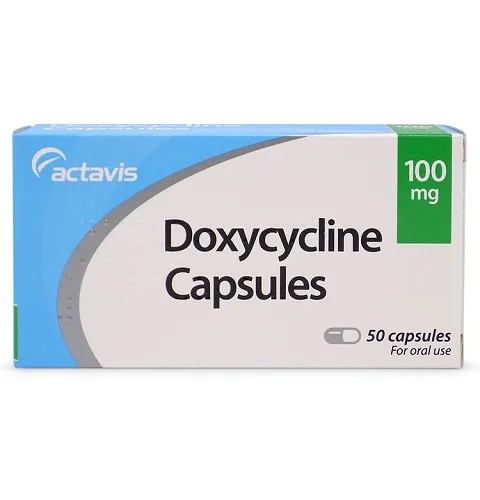
| Medication Name | Doxycycline |
|---|---|
| Main Component | Doxycycline hyclate |
| Primary Use | Broad-spectrum antibiotic therapy |
| Strength Variations | 50 mg, 75 mg, 100 mg, 150 mg tablets/capsules |
| Activation Time | 2–4 hours after ingestion |
| Effective Duration | Typically 12–24 hours per dose |
| Prescription Status in US | Requires prescription (FDA-regulated) |
| Can Be Taken With Food? | Yes, preferably with a meal to reduce stomach upset |
Doxycycline: Comprehensive Guidance for Patients in United States
Doxycycline is a commonly prescribed antimicrobial agent that effectively addresses a wide range of bacterial infections. It has become an essential option for treating conditions such as respiratory, urinary, and skin infections, among others, and is legally available in the United States under the supervision of licensed healthcare professionals. Understanding how this medication works and how you can access it can help ensure safe and effective treatment tailored to your needs.
Understanding Your Situation: Bacterial Infections Are Common and Treatable
Bacterial infections aren’t a sign of personal failure or poor hygiene; they are a normal part of life, affecting millions every year. According to the Centers for Disease Control and Prevention (CDC), over 2.8 million antibiotic-resistant infections occur annually in the United States alone, with even more cases of treatable bacterial illnesses reported (CDC, 2022). Doxycycline is one of several key antibiotics used to manage common conditions like pneumonia, urinary tract infections, acne, and tick-borne diseases such as Lyme disease. The widespread use of antibiotics underscores just how routine—and solvable—these health challenges are. If you’re considering treatment, you’re taking a proactive step in line with standard medical practice.
How Doxycycline Works: Targeting Bacteria at the Source
Doxycycline functions by blocking the ability of bacteria to make proteins that are essential for their growth and replication. In simpler terms, when you take this antibiotic, it enters your bloodstream, travels to the site of infection, and disrupts the machinery bacteria use to multiply. As a result, the infection is gradually controlled and symptoms such as fever, swelling, redness, or pain usually begin to ease within the first few days of therapy. Unlike some antibiotics that only target a narrow range of bacteria, Doxycycline covers a broad spectrum of organisms, making it suitable for chest infections, skin issues, sexually transmitted infections, and certain rare diseases like Rocky Mountain spotted fever.
For the patient, this translates to a steady improvement in symptoms, generally within 48–72 hours of starting treatment. However, completing the full prescribed course is critical—even if you feel better sooner—to ensure eradication of the infection and to help prevent resistance.
Choosing the Right Approach: Is Doxycycline for You?
| Situation | Is Doxycycline Suitable? | Explanation |
|---|---|---|
| You have been diagnosed with a respiratory, skin, or urinary tract infection and your doctor recommends Doxycycline | Yes | Doxycycline is indicated for a wide range of common bacterial infections when prescribed by a healthcare provider. |
| You experience symptoms of tick-borne diseases (e.g. after a recent tick bite) | Often | This medication is a first-line treatment for illnesses like Lyme disease and Rocky Mountain spotted fever, especially in early stages. |
| You are pregnant, breastfeeding, or under 8 years old | No | Doxycycline is generally avoided in these groups due to risks of tooth discoloration and effects on bone growth in children, as well as potential risks during pregnancy. |
| You have a history of severe liver or kidney impairment | Requires careful evaluation | Dose adjustment or an alternative antibiotic may be needed due to the way Doxycycline is processed by the body. |
| Your infection is known or suspected to be viral (e.g. cold, flu) | No | Antibiotics like Doxycycline do not treat viral infections. |
In summary, Doxycycline is a good choice for many common bacterial infections, but it is not the best option in all scenarios—especially for young children, pregnancy, or non-bacterial illnesses.
Using Doxycycline in Real Life: Key Practical Details
- Timing and Food: Take Doxycycline at the same times daily (usually once or twice a day). Swallow each dose with a full glass of water, and avoid lying down for at least 30 minutes afterward to prevent throat irritation. Food can help reduce nausea but may slightly decrease absorption.
- Missed Dose: If you forget a dose, take it as soon as you remember unless it’s almost time for your next scheduled dose. Do not double up to compensate.
- What to Expect: Mild stomach upset, nausea, or sensitivity to sunlight are relatively common and often resolve during treatment. Symptom relief usually begins within two to three days.
- What If It Doesn’t Work: If there is no improvement in your symptoms after 72 hours, or if they worsen, consult your healthcare provider. Resistant organisms or non-bacterial causes may require a different approach.
- Other Medications: Avoid taking antacids, iron supplements, or calcium within two hours of your dose as they can reduce effectiveness.
- Completion: It’s crucial to finish your entire prescribed course, even if you feel better. Stopping early increases the risk of recurrence and resistance.
By following these steps, you maximize the effectiveness of your treatment and reduce the risk of complications.
Contraindications: When Doxycycline Should Not Be Used
- Pregnancy and Breastfeeding: Not recommended due to potential risks to developing teeth and bones in the fetus and infant.
- Children Under 8 Years: Should be avoided because it can cause permanent tooth discoloration and affect bone growth.
- Known Allergy to Tetracyclines: Use is contraindicated because allergic reactions can be severe.
- Severe Liver or Kidney Disease: May require avoidance or close monitoring, as the drug can accumulate and increase the risk of toxicity.
Always inform your healthcare provider of your full medical history before starting Doxycycline. Clinical supervision ensures your safety and the success of your antibiotic therapy.
Possible Side Effects: What to Watch For and What’s Normal
- Common Side Effects: Nausea, diarrhea, mild stomach pain, and increased sensitivity to sunlight. These effects are typically mild and resolve on their own.
- Less Common, Seek Medical Advice: Persistent vomiting, severe abdominal pain, unexplained bruising, or yellowing of the eyes/skin (signs of liver involvement). If these occur, stop the medication and contact your provider.
- Rare but Serious (Seek Emergency Help): Signs of severe allergic reaction such as difficulty breathing, swelling of the face or throat, hives, or rapid heartbeat. In the United States, call 911 immediately for any life-threatening symptom.
Doctor’s note: “Photosensitivity is a known side effect of Doxycycline—patients should avoid excessive sun exposure and use sunscreen during the course of treatment. Most mild side effects resolve without intervention, but any sign of severe reaction warrants urgent evaluation.”
Interactions: What Not to Mix With Doxycycline
- Antacids, Iron, and Calcium: These can bind to the antibiotic and significantly reduce its absorption. Separate doses by at least 2 hours.
- Blood Thinners (Warfarin): Doxycycline may increase the effect of some blood thinners, raising the risk of bleeding. Monitoring may be adjusted during use.
- Oral Contraceptives: While rare, antibiotics can sometimes reduce the effectiveness of birth control pills. Consider additional contraception during treatment.
If you are taking multiple medications, discuss all current prescriptions, supplements, and over-the-counter products with your healthcare provider to avoid unintended effects.
Comparing Doxycycline to Alternatives: When Is It the Best Choice?
| Medication | Strengths | Limitations | Best Suited for |
|---|---|---|---|
| Doxycycline | Broad-spectrum, effective for respiratory, skin, tick-borne, and some sexually transmitted infections; convenient dosing | Not for pregnancy/children; possible sun sensitivity | Adults/adolescents with bacterial infections, Lyme disease, acne |
| Amoxicillin | Well-tolerated, safe in children and pregnancy | Narrower spectrum, not effective for atypical or some resistant organisms | Ear infections, strep throat, urinary infections in pregnancy |
| Azithromycin | Shorter course, useful for respiratory and some sexually transmitted infections | Potential heart risk, not suitable for all bacteria | Community-acquired pneumonia, chlamydia |
| Ciprofloxacin | Powerful for urinary and certain GI infections | Risk of tendon injury, not first-line for many common infections | Complicated urinary tract or gastrointestinal infections |
Doxycycline stands out for its versatility and broad coverage, especially when atypical bacteria or tick-borne illnesses are suspected. However, it may not be the ideal first-line option for everyone. Your doctor will help weigh these factors, considering infection type, medical history, and lifestyle when recommending the best antibiotic.
How to Buy Doxycycline in United States: Options, Regulations, and Real Costs
In the United States, Doxycycline is a prescription-only medication, regulated by the Food and Drug Administration (FDA). This means that a valid prescription from a licensed healthcare provider is required for legal purchase, whether through a local pharmacy or a reputable online service. Despite this, some websites advertise Doxycycline without prescription—this practice ignores US law and exposes buyers to potential counterfeit risks. For your safety, always buy Doxycycline from a pharmacy (online or local) that requires a prescription and is properly licensed.
For those seeking convenience, Doxycycline online options are increasingly available. Many telemedicine platforms now offer consultations with licensed doctors who can evaluate your needs and, if appropriate, provide a prescription electronically. You can then order Doxycycline directly for home delivery, often at competitive prices. This approach combines safety with efficiency.
Pricing for Doxycycline varies, but it is generally considered an affordable antibiotic in the US market, with both brand-name and generic versions widely accessible. Some pharmacies offer Doxycycline cheap as part of discount programs. The following table provides a realistic overview of what you might pay:
| Cost Item | Amount (USD) | Note |
|---|---|---|
| Doctor consultation (in person or telemedicine) | $40–$150 | Telemedicine often at the lower end |
| Prescription fee (if not included) | $0–$25 | May be bundled with consult |
| Doxycycline itself (generic, 20-tablet course) | $10–$40 | Varies by pharmacy and location |
| Delivery (for Doxycycline online) | $0–$15 | Standard shipping; express options may cost more |
| Total | $50–$230 | Lowest to highest scenario (full care cycle) |
- Where to order Doxycycline: Licensed online pharmacies, telemedicine platforms, or in-person pharmacies in the United States.
- How to purchase Doxycycline: Obtain a valid prescription and choose between in-person pickup or online delivery.
- Doxycycline in pharmacy: Most retail pharmacies stock generic and branded options—some may offer Doxycycline cheap through savings programs or insurance.
Remember, buying Doxycycline without prescription risks both your health and legal standing. Stick to legitimate sources for peace of mind and reliable results.
What If I Still Have Questions About Doxycycline in United States?
Even after understanding the safety, effectiveness, and logistics of Doxycycline, it’s natural to have lingering concerns—especially if your medical history is complex or you’re exploring alternatives. If you are considering Doxycycline online or seeking to buy Doxycycline for a recurring infection, discuss your full situation with a healthcare professional. Only a direct assessment can factor in allergies, current medications, and specific infection risks that aren’t always obvious from general guidance.
The US Food and Drug Administration (FDA) oversees the approval and monitoring of all antibiotics, including Doxycycline, ensuring the quality of products found in reputable pharmacies. Consultation protects you not only from complications but also from ineffective or counterfeit drugs sometimes found when purchasing Doxycycline without prescription from unverified online sources.
For most adults with a standard bacterial infection, Doxycycline represents an accessible, affordable treatment—especially when obtained through proper channels. If a unique question remains after reading, seek advice from your prescribing physician or pharmacist, who can address your medical and logistical concerns in the context of current US practice.