- Home/
- Buy Antabuse Without Prescription in the United States Online
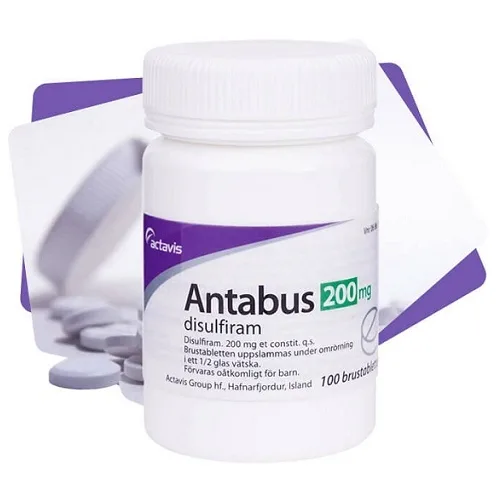
Can you buy Antabuse without a prescription in United States?
Antabuse (disulfiram) is a prescription-only medication in United States. It is not legally available without a valid prescription from a licensed healthcare provider. Purchasing Antabuse online or in a pharmacy without a prescription is not permitted under current U.S. regulations.
Key Takeaways for Patients Considering Antabuse in United States
- Antabuse is intended for adults diagnosed with alcohol dependence who are committed to abstinence and want medical support to avoid relapse.
- The medication works by causing unpleasant effects if any alcohol is consumed, reinforcing abstinence.
- A prescription from a licensed healthcare provider is required to buy Antabuse in United States, including through online pharmacies.
- Antabuse treatment is most effective when combined with counseling or behavioral therapy.
- Antabuse can cause severe reactions if alcohol is consumed, even in small amounts or from hidden sources.
- Consult a doctor promptly if you experience side effects, have liver or heart conditions, or if you plan to stop therapy.
How Does Antabuse (Disulfiram) Work to Treat Alcohol Dependence?
Antabuse (disulfiram) acts as an irreversible inhibitor of the enzyme aldehyde dehydrogenase (ALDH) in the liver. Under normal conditions, when a person drinks alcohol, ethanol is metabolized first to acetaldehyde by alcohol dehydrogenase, and then acetaldehyde is further metabolized to acetic acid by ALDH. Disulfiram blocks ALDH, causing acetaldehyde to accumulate rapidly after alcohol ingestion. Elevated acetaldehyde levels result in unpleasant physical reactions such as flushing, nausea, vomiting, headache, chest pain, palpitations, and hypotension. This “disulfiram-ethanol reaction” acts as a deterrent, discouraging the patient from consuming any alcohol.
Simplified metaphor: Think of Antabuse as a chemical “guard” that causes your body to sound a loud internal alarm if you drink alcohol. The alarm is so uncomfortable that most people learn to avoid alcohol entirely while on the medication.
Important note: Antabuse only works if alcohol is consumed. It does not reduce cravings or treat withdrawal symptoms. Its effectiveness depends on patient motivation and adherence.
For an in-depth review of disulfiram pharmacology, see resources from the FDA and PubMed.
Expert Insight: Patient Expectations vs. Real-World Treatment Challenges
Many patients believe that simply starting Antabuse will eliminate their desire to drink or instantly prevent all relapses. In reality, the medication does not affect cravings or psychological urges. People often overlook hidden alcohol sources—mouthwash, sauces, or even some medications—which can trigger serious reactions. It’s common for patients to underestimate the need for ongoing behavioral support and regular follow-up with their healthcare team. One question I rarely hear, but wish more patients would ask, is: “How can I build a long-term plan for recovery and not just rely on Antabuse alone?” Understanding that the medication is a tool, not a cure, is essential for lasting success.
How Should Antabuse Be Taken? Dosage, Timing, and Duration
Standard dosing: Antabuse is usually initiated at 500 mg once daily for 1–2 weeks, then reduced to a maintenance dose of 250 mg once daily. The maximum recommended daily dose is 500 mg. Taking more than this does not enhance efficacy and may increase toxicity.
- Administration: Tablets should be swallowed whole with a glass of water, typically in the morning. If drowsiness occurs, the dose may be taken at night.
- Splitting tablets: Some generic formulations are scored and may be split, but always confirm with your pharmacist as not all forms are designed for splitting.
- Duration: Treatment is generally continued for months to years, depending on individual response and risk of relapse. The decision to stop should always be made with your doctor.
- Special populations: For elderly patients or those with mild liver/kidney impairment, lower initial doses (125 mg) and careful monitoring are advised.
Peak effect: Full deterrent activity usually develops within 12 hours of the first dose and persists for up to 1–2 weeks after discontinuation due to irreversible enzyme inhibition.
Does Food or Lifestyle Affect Antabuse’s Effectiveness or Safety?
Food does not significantly alter the absorption or effect of Antabuse. However, some patients find taking it with food may reduce mild stomach upset. Alcohol consumption must be strictly avoided—including hidden sources such as mouthwash, vinegars, sauces, or fermented foods, as even trace amounts can provoke a reaction.
- Grapefruit juice: No clinically significant interaction is known between Antabuse and grapefruit juice.
- Fatty meals: Do not meaningfully affect Antabuse absorption.
- Other lifestyle products: Cough syrups, aftershaves, hand sanitizers, and many over-the-counter preparations may contain alcohol—always check labels.
Bottom line: Avoid all alcohol-containing products while on Antabuse, and consult your doctor or pharmacist about any new medication or supplement.
Who Should Not Take Antabuse? Absolute and Relative Contraindications
- Absolute contraindications:
- Severe myocardial disease or coronary artery disease (due to risk of arrhythmia during a reaction)
- Psychosis or severe psychiatric illness
- Known hypersensitivity to disulfiram or excipients
- Severe hepatic impairment or cirrhosis
- Pregnancy or breastfeeding (unless specifically directed by a physician)
- Relative contraindications (use with caution):
- Mild to moderate liver or kidney dysfunction (requires close monitoring)
- Diabetes mellitus (due to hypoglycemia risk during a reaction)
- Epilepsy or seizure disorders
- History of cerebrovascular accident (stroke)
- Elderly patients (start at lower dosage)
Important: Antabuse must not be taken within 12 hours of alcohol consumption and for up to 14 days after the last dose, drinking alcohol remains dangerous due to persistent enzyme inhibition.
What Side Effects Are Most Common with Antabuse?
Very common (>1/10):
- Drowsiness
- Metallic or garlic-like aftertaste
Common (1/100–1/10):
- Headache
- Dermatitis or acne-type rash
- Impotence
- Fatigue
- Peripheral neuropathy (tingling, numbness)
Rare (1/1,000–1/10,000):
- Hepatitis, liver injury (monitor liver function)
- Psychosis or mood disturbances
- Optic neuritis
Very rare (<1/10,000):
- Severe allergic reactions (anaphylaxis)
- Severe cardiovascular events
Serious reactions may occur if alcohol is ingested while on Antabuse, including flushing, tachycardia, low blood pressure, palpitations, shortness of breath, and, in rare cases, arrhythmia, collapse, or death.
If side effects occur: Mild symptoms may resolve with dose adjustment. Severe reactions (especially with alcohol) require immediate medical attention. Always report new symptoms to your healthcare provider.
Compatibility of Antabuse with Other Medications and Products
| Type of Product | Can it be combined? | Consequences |
|---|---|---|
| Alcohol (any amount) | STRICTLY NO | Severe reaction—may be life-threatening |
| Paracetamol (acetaminophen) | Yes, with caution | No major interaction, but monitor liver function |
| Warfarin (blood thinner) | Use with caution | May increase anticoagulant effect—monitor INR |
| Metronidazole (antibiotic) | NO | Risk of psychotic reactions—avoid combination |
| SSRI antidepressants | Yes, with caution | Generally compatible, but monitor for side effects |
| Nitroglycerin | NO | Risk of severe hypotension |
Always consult your doctor or pharmacist about potential drug interactions before starting or stopping medications.
Common Pitfalls: Mistakes Patients Make When Using Antabuse
- Not disclosing alcohol intake: Starting Antabuse while alcohol is still in the system may trigger severe reactions. Always ensure at least 12 hours have passed since the last drink.
- Failing to check hidden alcohol sources: Medications, topical products, and foods may contain alcohol. Overlooking these is a common and dangerous mistake.
- Stopping the medication abruptly without medical advice: Suddenly discontinuing Antabuse increases the risk of relapse. Any change should be done in consultation with your provider.
- Assuming Antabuse works immediately: There is a lag before full deterrent effect develops. Do not test the reaction by drinking “to see if it works.”
- Missing doses or inconsistent use: Skipping doses lowers the deterrent effect. Setting reminders or support systems can help with adherence.
- Not combining with psychological support: Relying solely on Antabuse without counseling or therapy reduces long-term effectiveness.
How to avoid these mistakes: Be completely honest about your alcohol use, check all products for alcohol, stick to the prescribed dosing schedule, and engage with support services as part of your recovery plan.
Comparison: Antabuse vs. Other Medications for Alcohol Dependence (United States)
| Medication | Main Use | Onset of Effect | Duration of Effect | Common Side Effects | Estimated Cost (USD) | Availability in United States |
|---|---|---|---|---|---|---|
| Antabuse (Disulfiram) | Deterrent therapy | 12 hours after first dose | Up to 14 days after last dose | Nausea, drowsiness, metallic taste | $2–$4/tablet (250 mg) | Prescription only |
| Naltrexone (Revia, Vivitrol) | Reduces cravings | 1–2 hours (oral), 2–3 days (injectable) | 24–30 days (injectable) | Nausea, headache, anxiety | $4–$6/tablet (oral); $1100–$1500/injection | Prescription only |
| Acamprosate (Campral) | Maintains abstinence | Few days | Hours (taken 3x/day) | Diarrhea, anxiety, insomnia | $3–$5/tablet | Prescription only |
Prices are estimates as of 2026 and may vary by pharmacy, insurance, and region. Insurance coverage or patient assistance programs may reduce out-of-pocket costs.
What Happens to Antabuse in the Body? Pharmacokinetics Explained Simply
- Absorption: Antabuse is well absorbed from the gastrointestinal tract; peak plasma levels occur within 8–10 hours.
- Metabolism: Metabolized in the liver into diethyldithiocarbamate (DDC) and other metabolites, which may contribute to therapeutic and side effects.
- Elimination: Excreted in urine (as metabolites) and to a lesser extent via feces and expired air (as carbon disulfide).
- Half-life: Terminal elimination half-life is around 60–120 hours (2.5–5 days); the deterrent effect can persist for up to 2 weeks after discontinuation.
Clinical implication: Because the effect lingers, accidental alcohol exposure may be dangerous even after stopping the medication.
Is Antabuse Safe for Everyone? Considerations for Specific Patient Groups
- Elderly patients: Use lower starting doses and monitor for increased drowsiness or unsteadiness, as fall risk is higher.
- Patients with liver disease: Antabuse is contraindicated in severe hepatic impairment. Mild impairment requires close monitoring of liver enzymes.
- Renal impairment: Dose adjustment may be necessary in significant kidney disease; consult your doctor for tailored advice.
- Psychiatric illness: Use only under psychiatric supervision if the patient has a history of psychosis or severe mood disorders.
- Pregnancy and breastfeeding: Not recommended unless benefits outweigh risks. Disulfiram crosses the placenta and is excreted in breast milk.
- Driving and machinery: Antabuse can cause drowsiness or impaired concentration, especially in the first weeks. Avoid operating vehicles or heavy machinery until you know how it affects you.
- Fertility/family planning: No evidence of effect on fertility, but pregnancy should be discussed with your physician before starting therapy.
Original Antabuse vs. Generic Disulfiram: What’s the Difference?
Antabuse was the original brand name for disulfiram, but generic forms are now widely available in United States. Both contain the same active ingredient and must meet FDA bioequivalence standards.
- Generics: Usually more affordable (Antabuse cheap or lower-cost options are available at most pharmacies), with the same efficacy and safety profile if obtained from a reputable pharmacy.
- Excipients: Inactive ingredients may differ between brands and generics—check for allergens, especially if you have known sensitivities.
- Counterfeit risks: Be wary of unusually low-priced products from unverified sources, as these may be counterfeit or substandard.
Bottom line: For most patients, generic disulfiram is equally effective and safe as branded Antabuse in United States. Always purchase from a licensed, verified pharmacy.
How to Recognize Genuine Antabuse and Avoid Counterfeit Products
- Packaging: FDA-approved Antabuse and generics are dispensed in tamper-evident, labeled containers with lot numbers and expiration dates.
- Tablet appearance: Typically white, round or oval, sometimes scored. Branding and imprint codes are present—compare to images from the manufacturer’s official website or ask your pharmacist for verification.
- Quality markers: Some products may include QR codes, holograms, or barcodes for authentication. Inquire at your pharmacy if in doubt.
- Red flag: Products offered at prices well below typical pharmacy rates, without prescription, or with foreign-language packaging are likely counterfeit or unregulated imports.
If you suspect a counterfeit product: Do not use it. Contact your pharmacist, healthcare provider, or the FDA’s MedWatch (FDA homepage) to report the issue.
How to Buy Antabuse Safely: Recognizing Legitimate Online Pharmacies in United States
With the increase in online pharmacy options, distinguishing legitimate sources from unsafe sellers is critical for patient safety.
- Verification: Look for the NABP VIPPS seal (National Association of Boards of Pharmacy) or confirmation from FDA’s BeSafeRx program.
- Prescription required: Legal online pharmacies will require a valid prescription before allowing you to order Antabuse online.
- Physical address: The pharmacy should list a U.S. physical address and state pharmacy license number.
- Customer service: Verified pharmacies provide access to a licensed pharmacist for questions.
- Warning signs of unsafe sellers: No prescription requirement, no U.S. contact information, suspiciously low prices, or websites offering to ship from outside the U.S.
Purchasing Antabuse without prescription from unverified sites puts your health at serious risk of counterfeit, expired, or unsafe medication.
Step-by-Step: How to Obtain Antabuse Legally in United States
- Step 1: Make an appointment with a licensed healthcare provider (family doctor, addiction specialist, or psychiatrist) for assessment and discussion of alcohol dependence treatment options.
- Step 2: Undergo a medical evaluation, including a review of your medical history, medications, liver function, and readiness to commit to abstinence.
- Step 3: If appropriate, your doctor will issue a prescription for Antabuse or its generic equivalent.
- Step 4: Fill your prescription at a licensed local pharmacy in your city (e.g., CVS, Walgreens, Rite Aid) or through a verified online pharmacy that requires a prescription.
- Step 5: Follow up regularly with your doctor for monitoring, side effect assessment, and support during your recovery journey.
Telehealth appointments are increasingly available for addiction therapy and medication management in many states.
Antabuse Product Information Table (United States)
| Active ingredient | Disulfiram |
| Available strengths | 250 mg, 500 mg tablets |
| Standard adult dose | 250 mg once daily (maintenance) |
| Route of administration | Oral (tablet) |
| Prescription status | Prescription only |
| Storage | Store at room temperature, away from moisture and light |
| Manufacturer examples | Teva, Taro, Mylan, Sandoz, Hikma, Accord |
| Typical price (USD) | $2–$4/tablet (250 mg) without insurance |
What Should You Do If You Take Too Much Antabuse? Overdose Response Steps
- Stop taking Antabuse immediately.
- Call 911 or seek emergency medical attention in United States, especially if severe symptoms occur (vomiting, confusion, seizures, hypotension).
- Inform healthcare providers about the dose taken, time of ingestion, and any symptoms experienced.
- Do not attempt to induce vomiting unless instructed by a medical professional.
- Bring the Antabuse container or packaging to assist with identification and treatment.
Important: There is no specific antidote for disulfiram overdose; treatment is supportive and based on symptoms.
Questions Patients Often Ask Their Doctor About Antabuse Therapy
- How soon after my last drink can I start Antabuse?
- It’s important to wait at least 12 hours after your last drink before starting Antabuse. Some patients may need longer, especially if signs of intoxication remain. Starting too soon may trigger a severe reaction.
- Will Antabuse reduce my cravings for alcohol?
- No, Antabuse does not reduce cravings. Its purpose is to deter alcohol consumption by making you feel unwell if you drink. For craving control, medications like naltrexone or acamprosate may be better suited.
- How long should I continue taking Antabuse?
- The duration varies by individual. Some stay on the medication for several months, others for years. The decision to stop should be made with your physician and usually requires a period of stable abstinence first.
- Can I use Antabuse if I have mild liver issues?
- It depends on the degree of liver impairment. Mild cases might be manageable with close monitoring, but Antabuse is generally avoided in moderate to severe liver disease. Baseline and periodic lab tests are recommended.
- What if I accidentally ingest something containing alcohol?
- Even small amounts can trigger a reaction. If this happens, seek medical advice immediately, especially if you develop symptoms like flushing, nausea, or chest pain. Always double-check product labels and ask about ingredients if unsure.
- Is it safe to buy Antabuse online?
- It is safe only when purchasing from a licensed, U.S.-based online pharmacy requiring a prescription. Avoid sites that offer Antabuse without prescription, as these are illegal and may sell counterfeit products.
- What should I do if I miss a dose?
- If you miss a dose, take it as soon as you remember. If it is almost time for your next dose, skip the missed one and continue with the regular schedule. Do not double up to make up for a missed dose.
Frequently Asked Questions About Antabuse (United States)
Can I buy Antabuse without prescription in United States?
No, prescription is required. U.S. law does not allow the sale of Antabuse without a valid prescription.
Where can I buy Antabuse in pharmacy?
Antabuse is available at most major U.S. pharmacies (CVS, Walgreens, local chains) and through licensed online pharmacies, but only with a prescription.
How much does Antabuse cost in United States?
Generic disulfiram typically costs $2–$4 per 250 mg tablet without insurance. Prices vary by location, pharmacy, and insurance coverage. Discount programs and patient assistance may lower out-of-pocket costs.
Is it possible to order Antabuse online safely?
Yes, but only through a legitimate, U.S.-licensed online pharmacy that requires a prescription. Avoid websites offering Antabuse online without prescription, as they are illegal and unsafe.
What is the best way to purchase Antabuse cheap or at an affordable price?
Ask your provider for a generic prescription, compare pharmacy prices, use discount cards, and check if your insurance plan covers the medication.
How long does Antabuse stay in your system?
The deterrent effect may persist for up to 14 days after the last dose. You should avoid alcohol for at least 2 weeks after discontinuing the medication.
What are the most common side effects of Antabuse?
Drowsiness, metallic or garlic-like taste, headache, skin rash, and tiredness are common. Serious adverse events are rare but can include liver injury or allergic reactions.
Can I use Antabuse for conditions other than alcohol dependence?
Antabuse is FDA-approved only for alcohol dependence. Off-label use should be discussed with your healthcare provider.
What should I do if Antabuse does not work for me?
Consult your physician for reassessment. Alternative medications and therapy options exist for alcohol dependence. Do not increase your dose or discontinue without medical advice.
Does insurance cover Antabuse in United States?
Most commercial insurance and some Medicaid/Medicare plans cover generic disulfiram, especially when prescribed for alcohol dependence. Check with your insurer to confirm details.
Myth vs Reality: What Antabuse Can and Cannot Do
- Myth: Antabuse is a cure for alcoholism.
Reality: It is a deterrent tool, not a cure. Success requires motivation, support, and behavioral change. - Myth: You can safely buy Antabuse online without prescription.
Reality: This is illegal and exposes you to counterfeit and potentially dangerous medications. - Myth: Antabuse will make you sick just by being near alcohol.
Reality: Only ingestion (even small amounts) will trigger a reaction, but caution is required with products containing alcohol.
Psychological Support: You Are Not Alone in Recovery
Alcohol dependence is a common, treatable medical condition. Many people benefit from combining medications like Antabuse with individual or group counseling, support groups, and family involvement. If you feel overwhelmed, seek help from a therapist, addiction specialist, or support group—recovery is a journey best taken with support.
doctor’s Clinical Assessment: When Is Antabuse the Right Choice?
As a physician, I consider Antabuse most appropriate for motivated patients who understand the risks of alcohol relapse and are committed to abstinence. It is particularly helpful for those who benefit from an “external” deterrent to reinforce sobriety, have a stable support system, and can attend regular follow-ups. Patients with severe liver or heart conditions, psychiatric instability, or those who are pregnant are generally not good candidates. In many cases, alternative therapies like naltrexone or acamprosate may be preferred if cravings are the main challenge or if Antabuse is contraindicated. For optimal results, I always stress the importance of integrating Antabuse with counseling and behavioral therapy, rather than relying solely on the medication. If there are signs of serious side effects or if the patient repeatedly tests the reaction by drinking, a treatment reassessment is essential to ensure safety and long-term success.
References
- U.S. Food and Drug Administration. Disulfiram (Antabuse): Drug Information. Accessed 2026. https://www.fda.gov/
- National Institute on Alcohol Abuse and Alcoholism. Medications for Alcohol Use Disorder. Accessed 2026. https://www.niaaa.nih.gov/
- Mayo Clinic. Disulfiram (Oral Route): Description and Brand Names. Accessed 2026. https://www.mayoclinic.org/
- PubMed. Disulfiram and Alcohol Use Disorder: Recent Clinical Trials. Accessed 2026. https://pubmed.ncbi.nlm.nih.gov/
- National Association of Boards of Pharmacy. VIPPS & Online Pharmacy Accreditation. Accessed 2026. https://nabp.pharmacy/programs/accreditation/
- BeSafeRx: Your Source for Online Pharmacy Information (FDA). Accessed 2026. https://www.fda.gov/drugs/besaferx-your-source-online-pharmacy-information/
For further reading: See articles on alcohol dependence, addiction therapy options, and disulfiram pharmacology.