- Home/
- Buy Glucophage at Low Price Online in the United States
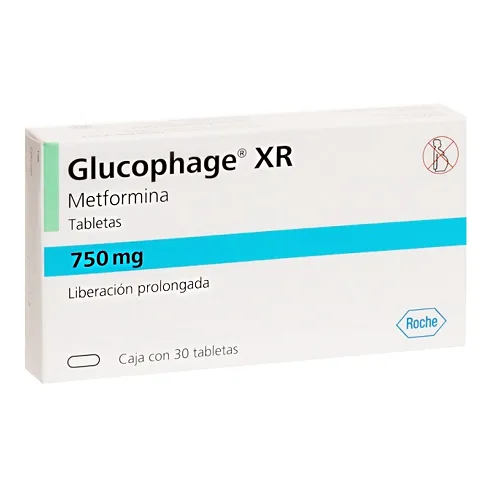
Can You Buy Glucophage Without a Prescription in United States?
Glucophage (Metformin) is a prescription medication in the United States and cannot be legally obtained without a valid prescription from a licensed healthcare provider. It is not available for lawful purchase without a prescription through any U.S. pharmacy, including those selling Glucophage online or in physical locations.
Key Takeaways: What Every Patient Needs To Know About Glucophage
- Glucophage is primarily used for adults with type 2 diabetes who need to control blood sugar levels, especially when lifestyle changes alone are not enough.
- Patients typically start noticing improved blood sugar control within days to a few weeks after starting therapy.
- The most critical safety concern is the risk of lactic acidosis, a rare but potentially life-threatening complication—always inform your doctor of kidney, liver, or heart issues.
- In the United States, a prescription is required to order Glucophage from any pharmacy or to purchase Glucophage online legally.
- One of its main advantages is a low risk of causing low blood sugar (hypoglycemia) when used alone, compared to some alternatives.
- Consult your doctor immediately if you experience unexplained tiredness, muscle pain, or trouble breathing while taking Glucophage.
How Does Glucophage Work? (Mechanism of Action and Pharmacology Explained)
Glucophage contains the active ingredient metformin hydrochloride, which is classified as a biguanide antihyperglycemic agent. Its principal mechanism involves:
- Inhibition of hepatic gluconeogenesis: Metformin suppresses the liver’s production of glucose by inhibiting mitochondrial respiratory-chain complex 1, thereby reducing hepatic glucose output.
- Increased peripheral glucose uptake: It enhances insulin sensitivity in muscle and fat tissues, promoting increased uptake and utilization of glucose by these tissues.
- Reduced intestinal absorption of glucose: Metformin decreases the absorption of glucose from the intestines, contributing to lower postprandial (after-meal) blood glucose levels.
Unlike insulin or sulfonylureas, Glucophage does not increase insulin secretion. Instead, it improves the body’s response to insulin already produced. This effect is independent of beta-cell function and thus remains effective as long as residual endogenous insulin is present.
Metaphorically, if your liver is a sugar factory, Glucophage slows down production, while also helping your muscles and fat cells open their doors to let more sugar in. It does not force the pancreas to release more insulin.
Glucophage works regardless of meal timing but is typically more effective when combined with dietary changes and physical activity.
Expert Commentary: Why Blood Sugar Numbers Aren’t the Whole Story
As a specialist in diabetes care, I often find that patients expect Glucophage to produce dramatic changes overnight. Many are disappointed if their glucose meter readings aren’t immediately in the “normal” range. However, real-world treatment involves a gradual, cumulative improvement, not instant results. Another common misconception is that Glucophage alone can replace diet or exercise—it can’t. I wish more patients would ask about the longer-term benefits and how to judge whether therapy is “working” beyond just a single blood sugar check. It’s also not uncommon for patients to ignore mild digestive symptoms, not realizing these can be managed or may improve with time. Setting realistic expectations from the start makes a big difference in long-term success.
How Should Glucophage Be Taken? (Dosage, Duration, and Administration)
In the United States, the dosing regimen for Glucophage is individualized based on patient needs, kidney function, and treatment goals:
- Starting dose (standard-release): 500 mg once or twice daily with meals.
- Titration: Doses are increased in 500 mg increments every 1–2 weeks, as tolerated, to minimize gastrointestinal side effects.
- Maximum daily dose: 2,000–2,500 mg/day (standard-release), divided into 2–3 doses.
- Extended-release (XR) formulation: Typically started at 500 mg once daily with the evening meal and may be titrated up to 2,000 mg daily.
- Peak effect: Steady state plasma concentrations are achieved within 24–48 hours, but maximal glycemic response may take up to 2 weeks.
- Tablet splitting: Standard 500 mg or 850 mg tablets may be split if scored; extended-release tablets must not be split, crushed, or chewed.
Always follow your doctor’s dosing instructions—never increase or decrease your dose without medical supervision.
In elderly patients or those with reduced kidney function, lower doses and more gradual titration are essential to avoid accumulation and potential lactic acidosis.
What Foods, Drinks, and Lifestyle Factors Affect Glucophage?
Glucophage should be taken with meals to reduce the risk of gastrointestinal side effects. High-fat meals do not significantly affect absorption, but may increase the risk of stomach upset.
- Alcohol: Combining Glucophage with excessive alcohol (more than 2 standard drinks per day) increases the risk of lactic acidosis. Complete avoidance is advised for patients with liver or kidney disease. Occasional moderate alcohol intake (one drink per day for women, two for men) is generally acceptable with physician approval.
- Grapefruit juice: No clinically significant interaction is known with metformin.
- High-fiber diets: May reduce drug absorption slightly, but not enough to require dose changes.
Physical activity enhances the effectiveness of Glucophage and is strongly recommended unless contraindicated by your doctor.
When Should Glucophage Not Be Used? (Absolute and Relative Contraindications)
- Absolute contraindications:
- Severe kidney impairment (eGFR <30 mL/min/1.73 m2).
- Acute or chronic metabolic acidosis, including diabetic ketoacidosis.
- Severe liver impairment.
- Unstable or acute heart failure (risk of hypoperfusion and lactic acidosis).
- History of lactic acidosis while on metformin.
- Alcohol abuse.
- Relative contraindications (use with caution):
- Moderate kidney impairment (eGFR 30–45 mL/min/1.73 m2): often requires dose reduction and close monitoring.
- Older adults (>80 years): increased risk of lactic acidosis due to age-related decline in kidney function.
- Use of iodinated contrast agents: temporarily discontinue Glucophage before and after major radiologic studies.
- Acute illness causing dehydration, severe infection, or hypoxia.
After a heart attack or severe illness, Glucophage may often be restarted only after full recovery and with a doctor’s clearance.
Why? Most of these restrictions are to avoid the rare but serious risk of lactic acidosis, which can occur if the drug accumulates due to reduced kidney or liver clearance or in situations where oxygen delivery to tissues is impaired.
What Side Effects Are Most Common With Glucophage?
Adverse effects of Glucophage are classified as follows (FDA, Mayo Clinic):
- Very common (>1/10):
- Gastrointestinal symptoms (nausea, diarrhea, abdominal discomfort, metallic taste).
- Common (>1/100 to <1/10):
- Loss of appetite.
- Mild weight loss.
- Vitamin B12 deficiency with long-term use.
- Rare (>1/10,000 to <1/1,000):
- Lactic acidosis (medical emergency: fatigue, rapid breathing, muscle pain, drowsiness).
- Skin reactions (rash, urticaria).
- Very rare (<1/10,000):
- Liver dysfunction or hepatitis.
- Megaloblastic anemia from vitamin B12 depletion.
If you experience persistent vomiting, severe fatigue, muscle pain, rapid breathing, or confusion, seek emergency medical attention.
Common Mistakes Patients Make With Glucophage (And How to Avoid Them)
- Starting with a full dose instead of titrating slowly: This greatly increases the risk of stomach upset. To avoid this, always follow your provider’s titration schedule.
- Stopping medication suddenly after mild side effects: Many digestive symptoms (nausea, diarrhea) improve within days to weeks. Discuss with your doctor before discontinuing.
- Taking Glucophage on an empty stomach: Increases risk of gastrointestinal side effects. Take the medication with a meal.
- Not informing doctors about kidney function changes: Kidney function can decline over time, especially in older adults. Tell all your healthcare providers you use Glucophage and get regular kidney function tests.
- Using Glucophage during acute illness or dehydration: Increases risk of lactic acidosis. Temporarily stop the medication and contact your healthcare provider if you are severely ill, have vomiting/diarrhea, or are unable to eat/drink.
- Missing regular blood tests (especially B12): Long-term use can reduce vitamin B12 levels, leading to anemia or nerve symptoms. Ask your doctor about periodic bloodwork.
Glucophage Versus Alternatives: How Does It Compare?
| Medication | Active Ingredient | Onset of Action | Typical Duration | Major Side Effects | Cost per Tablet (USD) |
|---|---|---|---|---|---|
| Glucophage (Metformin) | Metformin | Within days (max effect ~2 wks) | 8-12 hrs (SR up to 24 hrs) | GI upset, rare lactic acidosis | $0.10–$0.50 (generic) |
| Januvia | Sitagliptin | 1–2 days | ~24 hrs | Headache, stuffy nose, rare pancreatitis | $4–$8 |
| Glucotrol | Glipizide | 30–60 minutes | 12–24 hrs | Low blood sugar, weight gain | $0.20–$0.60 (generic) |
| Farxiga | Dapagliflozin | Within 1 week | 24 hrs | Genital infection, dehydration | $5–$8 |
Bottom line: Glucophage is often preferred as first-line therapy for type 2 diabetes due to low cost, established safety, and no risk of hypoglycemia when used alone. However, patients who cannot tolerate gastrointestinal side effects, or those with advanced kidney or liver disease, may require alternative medications.
Glucophage: Technical Reference Table
| Parameter | Value |
|---|---|
| Active ingredient | Metformin hydrochloride |
| Available strengths | 500 mg, 850 mg, 1,000 mg (standard and extended-release) |
| Formulations | Tablets (immediate & extended release) |
| Half-life (T1/2) | ~6 hours (immediate); ~17 hours (XR) |
| Metabolism | Not metabolized by liver; excreted unchanged by kidneys |
| Storage conditions | Room temperature (20–25°C/68–77°F), dry place |
| Prescription required? | Yes, in United States |
| Brand/generic options | Both available; generics widely used |
Compatibility of Glucophage With Other Medications (Quick Reference)
| Product Type | Can It Be Combined? | Consequences |
|---|---|---|
| Insulin | Yes (with monitoring) | May increase hypoglycemia risk; monitor blood sugar |
| NSAIDs (e.g., ibuprofen) | Yes (caution) | Monitor kidney function, especially in elderly |
| Cimetidine | Use with caution | May increase metformin levels; increased side effect risk |
| Contrast dye (iodinated agents) | STRICTLY NO (temporary) | Stop Glucophage prior to procedure; risk of acute kidney injury and lactic acidosis |
| Alcohol (heavy use) | NO | Significant risk of lactic acidosis |
Step-by-Step: How to Get Glucophage Safely in United States
- Schedule a consultation with your primary care provider, endocrinologist, or a board-certified telehealth provider licensed in your state.
- Undergo assessment for type 2 diabetes—including blood tests and a review of your medical history, kidney and liver function.
- If appropriate, receive a prescription for Glucophage (metformin) tailored to your clinical needs.
- Fill your prescription at a licensed U.S. pharmacy, either in-person or through a verified mail-order/telepharmacy service. To buy Glucophage online, always use a pharmacy accredited by the National Association of Boards of Pharmacy (NABP) or check BeSafeRx.
- Begin treatment as directed, monitor for side effects, and schedule follow-ups to assess blood sugar control and any necessary lab work.
Never purchase Glucophage without prescription from unverified sources, as it may be illegal, unsafe, or counterfeit.
Finding a Qualified Diabetes Specialist in United States
To ensure safe and effective management, seek an endocrinologist or primary care physician experienced in type 2 diabetes. Major medical centers in cities such as New York, Los Angeles, Chicago, Houston, and Miami have dedicated diabetes clinics. You may also use the American Association of Clinical Endocrinology directory or your health insurer’s provider search tool.
Buying Glucophage Online and in Pharmacy: Safety Guide for United States Patients
When looking to buy Glucophage online or in a local pharmacy, patient safety must be the top priority:
- Only pharmacies licensed in United States are permitted to dispense prescription medications. Look for accreditation by the NABP (National Association of Boards of Pharmacy).
- Legitimate sites require a valid prescription to order Glucophage or purchase Glucophage online.
- Warning signs of unsafe or illegal sellers:
- No prescription required for Glucophage without prescription.
- Unusually low prices (Glucophage cheap offers without clear sourcing).
- Unverifiable location or lack of U.S. contact information.
- No pharmacist available for questions.
- Websites not ending in .pharmacy or unlisted in FDA’s BeSafeRx.
- Always check for a physical U.S. address and phone number.
To protect yourself, never buy Glucophage from international sites advertising Glucophage without prescription or Glucophage cheap. Counterfeit or substandard products are a serious risk.
How to Tell if Your Glucophage Is Genuine: Spotting Counterfeits and Understanding Generics
Original Glucophage (brand name and genuine generics) in United States:
- Comes in sealed blister packs or bottles with NDC (National Drug Code) numbers and U.S. FDA-approved labeling.
- Each tablet is marked with dosage and manufacturer’s code (e.g., “BMS 6060” for 500 mg Glucophage by Bristol Myers Squibb).
- Packaging should include lot number, expiration date, and sometimes a QR code or hologram for verification.
- Colors: 500 mg tablets are white, round or oval; 850 mg are white, oval; 1,000 mg are white, oval.
Warning signs of counterfeits:
- Misspelled manufacturer names or poor print quality.
- Unusual color, shape, or missing tablet markings.
- No NDC code, or packaging in non-English language intended for another country.
- Prices far lower than typical U.S. pharmacy rates (e.g., offers to buy Glucophage cheap from unknown websites).
Supporting Patients: A Note on Living With Type 2 Diabetes
Type 2 diabetes is a very common and manageable condition in United States. Many people feel overwhelmed or frustrated at first. You are not alone, and support from healthcare professionals, family, and peers can help. Discussing challenges with your doctor, a counselor, or diabetes educator often leads to better outcomes.
Pharmacokinetics of Glucophage: What Happens After You Swallow a Tablet?
After you take Glucophage by mouth, it is absorbed mainly in the small intestine. Unlike many drugs, metformin is not metabolized by the liver but is excreted unchanged through the kidneys. Its average half-life is about 6 hours (immediate-release) and up to 17 hours for extended-release forms. This is why kidney function is critical for safe use. The medication does not accumulate in tissues if kidney function is normal, but can build up dangerously if kidney function declines, increasing the risk of lactic acidosis.
What Should You Do If You Take Too Much Glucophage? (Overdose Instructions)
- Stop taking Glucophage immediately.
- Call 911 or your local emergency number in United States.
- Inform the medical team of the exact dose and time taken.
- Do not try to induce vomiting unless instructed by a medical professional.
- Monitor for symptoms such as severe weakness, rapid breathing, muscle pain, confusion, or drowsiness—these may signal lactic acidosis.
Glucophage overdose is a medical emergency and requires prompt hospital treatment—dialysis may be required in severe cases.
Special Considerations for Unique Patient Groups
- Chronic kidney disease: Not recommended if eGFR <30 mL/min/1.73 m2; dose adjustment required for eGFR 30–45.
- Liver disease: Should be avoided due to impaired lactate clearance.
- Pregnancy: While not first-line, Glucophage is sometimes used for gestational diabetes under specialist supervision.
- Breastfeeding: Present in breast milk in low amounts; generally considered safe, but discuss with your doctor.
- Older adults (>80 years): Higher risk of kidney dysfunction—closer monitoring and lower doses advised.
- Driving and machinery: Glucophage does not cause hypoglycemia when used alone and does not impair alertness, but risk increases if used with insulin or sulfonylureas.
- Fertility and family planning: No evidence of impaired fertility in men or women; sometimes used in women with polycystic ovary syndrome (PCOS) to improve ovulation.
Original vs Generic Glucophage: Should You Choose a Brand or Generic?
Both original Glucophage (brand) and FDA-approved generic metformin contain the same active substance and are considered clinically equivalent. Generics may differ in appearance, packaging, or inactive (filler) ingredients. A rare few patients may be sensitive to certain excipients found in generics. If you have known allergies or intolerances, tell your pharmacist.
Choosing a generic can save money without sacrificing quality or efficacy. In the U.S., generics for Glucophage are widely available and covered by most insurance plans. To save money, ask your pharmacy about the generic option when you order Glucophage or purchase Glucophage in pharmacy.
What Happens If Glucophage Does Not Work for You?
If after several weeks your blood sugar remains above target, do not adjust your dose on your own. Several factors may be at play—incorrect dosing, poor adherence, secondary causes of high blood sugar, or disease progression. Contact your doctor for evaluation; additional medications or alternative therapies may be needed. Never buy Glucophage without prescription from alternative sources hoping for better results—this is unsafe and illegal in United States.
Doctor Answers: Questions Patients Often Ask About Glucophage Therapy
- How will I know if Glucophage is actually working for me?
- Blood sugar levels, especially fasting and post-meal readings, are the main indicators. Over weeks, you should see gradual and sustained improvement. Your A1C level (a 3-month average of blood sugar) is the best measure of long-term success.
- Do I have to follow a special diet while taking Glucophage?
- You don’t need a “special” diet, but healthy eating—consistent meal timing, modest portions, and limiting sugary foods—makes Glucophage significantly more effective. No medication can compensate for a high-sugar diet.
- Is it safe to take Glucophage together with other diabetes medications?
- Often, yes. Glucophage is commonly combined with other oral agents or insulin. Your doctor will check for drug interactions and adjust doses if needed. Always inform your pharmacy of all medications you use.
- How often will I need blood tests or doctor visits?
- In the first months, you may need more frequent check-ins (every 3–6 months thereafter). Monitoring includes blood sugar, A1C, kidney function, and sometimes vitamin B12 levels.
- Can I stop Glucophage if I reach my target blood sugar?
- Not without consulting your doctor. Type 2 diabetes is a chronic condition, and stopping medication without a plan often results in a return of high blood sugar.
- Is there a risk if I miss a dose?
- Missing a single dose rarely causes immediate harm, but repeated missed doses may lead to loss of glycemic control. Take your next dose as scheduled—do not double up.
- What if I develop side effects I didn’t expect?
- Contact your doctor. Many side effects are temporary or manageable. Adjusting timing, dose, or formulation (standard vs extended-release) often helps.
Frequently Asked Questions About Glucophage in United States
Can I buy Glucophage without a prescription in United States?
No. In United States, Glucophage is classified as a prescription medication. It is illegal and unsafe to obtain Glucophage without prescription from unverified sources.
How much does Glucophage cost in United States?
Generic Glucophage (metformin) is among the most affordable diabetes medications, with typical U.S. pharmacy prices ranging from $0.10 to $0.50 per tablet for generics. Brand-name Glucophage is more expensive ($3–$6/tablet). Insurance and discount programs may reduce out-of-pocket costs.
Is it safe to buy Glucophage online?
Yes, but only from licensed online pharmacies based in United States that require a valid prescription. Always verify accreditation and avoid websites offering Glucophage cheap or without prescription.
What should I do if I miss a dose of Glucophage?
Take your next dose at the scheduled time. Do not double up to make up for a missed dose. Missing occasional doses is not dangerous, but regular adherence is important for effectiveness.
How long do I need to take Glucophage for type 2 diabetes?
Most patients require long-term, often lifelong, therapy unless blood sugar can be maintained with lifestyle changes alone. Your doctor will periodically assess the need for continuation or adjustment.
Can Glucophage cause low blood sugar (hypoglycemia)?
When used alone, Glucophage rarely causes hypoglycemia. Risk increases if used with insulin or certain other diabetes medications.
Are there over-the-counter alternatives to Glucophage?
No approved over-the-counter medications can replace Glucophage for type 2 diabetes. Dietary supplements are not recommended as substitutes.
Is Glucophage effective for weight loss?
Some people may lose a modest amount of weight when starting Glucophage, but it is not approved as a weight-loss medication.
Should I stop Glucophage before surgery or X-ray dye procedures?
Yes, Glucophage is usually stopped temporarily before major surgery or procedures involving iodinated contrast dye to reduce the risk of kidney injury and lactic acidosis. Always follow your doctor’s instructions.
Is Glucophage covered by insurance?
Yes, most commercial and government insurance plans in United States, including Medicare and Medicaid, cover generic metformin. Co-pays vary by plan.
Clinical Assessment by doctor: When Is Glucophage the Right Choice?
From a clinical perspective, Glucophage remains the first-line therapy for most adults with newly diagnosed type 2 diabetes—especially those who are overweight, have mildly elevated blood sugars, and possess reasonable kidney function (eGFR >45). Its established track record, low risk of hypoglycemia, and cardiovascular safety profile make it the gold standard. However, in patients with advanced kidney or liver disease, those with a history of lactic acidosis, or elderly individuals with multiple comorbidities, I usually consider alternative therapies. For patients whose primary issue is post-meal blood sugar spikes or who require significant weight loss, SGLT2 inhibitors or GLP-1 agonists may offer more targeted benefits despite higher cost. Ultimately, therapy should be individualized and periodically reassessed as the disease progresses or patient circumstances change.
References
- U.S. Food and Drug Administration (FDA). Drug information: Metformin. Accessed 2026. https://www.fda.gov/
- American Diabetes Association. Standards of Medical Care in Diabetes—2026. Accessed 2026. https://diabetes.org/
- Mayo Clinic. Metformin (oral route). Updated 2025. https://www.mayoclinic.org/drugs-supplements/metformin-oral-route/description/drg-20067074
- National Institutes of Health. Metformin. LiverTox: Clinical and Research Information on Drug-Induced Liver Injury. Updated 2025. https://www.ncbi.nlm.nih.gov/books/NBK500019/
- PubMed. Metformin—recent clinical trials and meta-analyses. Accessed 2026. https://pubmed.ncbi.nlm.nih.gov/
- American Association of Clinical Endocrinology. Find an endocrinologist. https://www.aace.com/
- BeSafeRx (FDA). Your source for online pharmacy information. https://www.fda.gov/drugs/besaferx-your-source-online-pharmacy-information
- National Association of Boards of Pharmacy (NABP). Prescription drug safety and pharmacy accreditation. https://nabp.pharmacy/