- Home/
- Buy Propecia at Low Price in United States Online
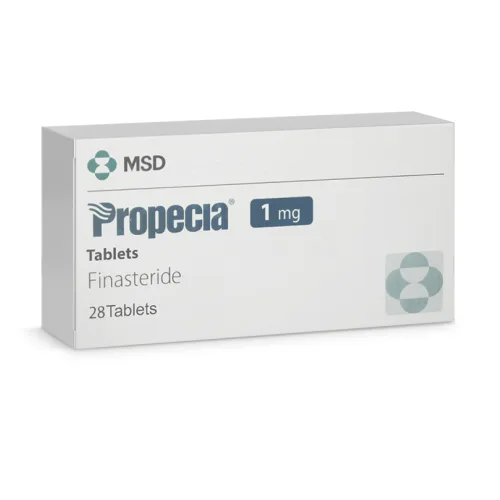
Propecia in United States: What Patients Actually Experience
It starts with a mirror—or sometimes, a quick snapshot that catches you off guard. Thinner at the crown. A receding hairline that wasn’t there last year. For millions of men across the United States, hair loss is not just about vanity; it’s about confidence, youth, and a sense of control. The internet brims with “miracle” solutions, but when most patients reach for something with real evidence, Propecia is the name that comes up again and again.
But what’s the actual experience of starting Propecia in the U.S.? First, you need a prescription—pharmacies will not dispense Propecia without one. You can’t legally buy Propecia or order Propecia online from a legitimate source in the United States without your doctor’s approval. That requirement is not just red tape; it’s a safeguard, built around both clinical benefit and the specific risks of finasteride.
- Expectation: Most men want overnight results. Reality: any visible regrowth or slowing of hair loss takes at least three months, and sometimes six to nine months, to become noticeable.
- Access: “Propecia in pharmacy” is common, but only certain pharmacies will stock the original brand—generics are often substituted unless you ask otherwise.
- Cost: Insurance rarely covers Propecia for hair loss in the U.S. Even generic finasteride is paid out-of-pocket. Many compare prices online to find Propecia cheap or affordable, but be wary: unauthorized sellers risk counterfeit and unsafe medications.
Clinical Note: The U.S. healthcare system is strict about prescription medications, especially those like Propecia, which have potential for off-label misuse and side effects that require monitoring.
Starting Propecia is not a quick fix. But for the men who stay the course—who understand what to expect and what not to—the results can be meaningful. This article is for the patient who wants the straight story: what Propecia delivers, what it does not, and how to weigh the decision in the real world, not just in a clinical trial.
Finasteride in Action: How Propecia Tackles Hair Loss
Propecia’s real power comes from finasteride, its active ingredient. Finasteride blocks an enzyme (5-alpha reductase) that converts testosterone into dihydrotestosterone (DHT)—the hormone directly responsible for shrinking hair follicles in men with genetic hair loss. Lower DHT, less follicle miniaturization, slower hair loss. That’s the mechanism, but what does it mean day-to-day?
For most men, reduced DHT translates into three things:
- A halt, or marked slowing, in further hair loss after 3–6 months of regular use.
- Modest regrowth in some areas—primarily at the crown and vertex, rarely at the front hairline.
- Maintenance: continued benefit only if you keep taking Propecia. Stop, and hair loss typically resumes within a few months.
- Dihydrotestosterone (DHT)
- A derivative of testosterone; in genetically predisposed men, DHT binds to hair follicles, causing them to shrink and eventually stop growing new hair.
Finasteride is not a hormonal therapy in the sense of changing your overall testosterone levels—your masculinity, energy, and other hormones remain largely unaffected. The specific targeting of DHT is why Propecia stands apart from many over-the-counter products that lack any effect on the underlying biology of male pattern baldness.
Clinical Insight: Unlike minoxidil (Rogaine), which is a topical solution that works locally and requires daily application, Propecia is a pill—taken once a day, at the same time. Adherence is easier for most, but every patient must remember: this works only as long as you keep taking it.
Will Propecia Really Work for Me—Or Am I Wasting My Effort?
Every patient wants to know: “Will Propecia actually regrow my hair, or am I setting myself up for disappointment?” The evidence is better than most expect—but it’s not a miracle. Clinical data, including large randomized trials and post-marketing studies in the U.S., show that about 80–90% of men experience stabilization or slowing of hair loss. A smaller group—about two-thirds—see some degree of regrowth, mostly on the crown. Very few see dramatic reversal. Front hairline regrowth? Uncommon, and sometimes not noticeable at all.
- Best results: Younger men, or those who start early in their hair loss journey, typically see more benefit. The earlier you intervene, the more hair you can preserve.
- Less benefit: Men with extensive, longstanding hair loss—especially a receded frontal hairline—see less regrowth, but may still slow further loss.
The single biggest misconception? That you’ll see a dramatic reversal of balding. In reality, Propecia is best at stopping hair loss, and sometimes delivers modest regrowth—especially if started sooner rather than later.
Doctor’s Perspective: “In my clinical practice, I always tell patients: if your expectation is to get back the hair you had at 20, Propecia will let you down. But if you want to keep what you have, and maybe regain just a bit of density, it’s the best-studied, most reliable oral option we have. And the earlier you start, the better your odds.”
Persistence is key. Many men stop after three months without seeing obvious changes—give it at least six to twelve months. Only then can you fairly assess whether Propecia is working for you.
Which Side Effects Matter Most with Propecia—and When to Act
Every prescription comes with fine print, but with Propecia, certain risks matter more than others. Most men tolerate finasteride without issues, but a minority experience side effects—especially related to sexual function. These effects are real, though less common than online forums suggest.
- Reduced libido (1–2% of users in large studies)
- Difficulty achieving or maintaining an erection (up to 1.5%)
- Decreased semen volume (less than 1%)
- Breast tenderness or enlargement (rare, but reported)
- Mood changes or depression (rare; evidence is mixed, but caution is warranted)
In most men, side effects resolve within weeks of stopping Propecia. There are, however, persistent symptoms in a very small subset, a phenomenon sometimes called “post-finasteride syndrome.” The evidence is not fully established, but if you develop ongoing sexual side effects that persist after stopping the drug, discuss this with your healthcare provider.
| Side Effect | How Common | When to Call Your Doctor |
|---|---|---|
| Reduced Libido | 1–2% | If persistent, worsening, or affects quality of life |
| Erectile Dysfunction | 1–1.5% | If persistent or distressing |
| Decreased Semen Volume | <1% | If bothersome or accompanied by other changes |
| Breast Tenderness/Enlargement | Rare | Immediately if lumps, pain, or nipple discharge develop |
| Mood Changes/Depression | Rare | If new, severe, or persistent |
| Allergic Reactions (rash, swelling) | Very Rare | Immediately if symptoms of allergy appear |
In day-to-day terms: most men take Propecia with little trouble. But if you experience side effects, talk to your doctor before you stop or continue—never make the decision in isolation. Open communication is part of safe, effective use.
Propecia vs. Alternatives: The Real-World Decision Table
| Attribute | Propecia (Finasteride 1mg) |
Minoxidil (Topical) |
Dutasteride (off-label) |
|---|---|---|---|
| Prescription Required (U.S.) | Yes | No | Yes |
| FDA-Approved for Hair Loss | Yes (men only) | Yes (topical, men and women) | No (for hair loss) |
| Mechanism of Action | Oral DHT blocker (5-alpha reductase type 2 inhibitor) | Promotes blood flow/follicle activity (mechanism not fully understood) |
Oral DHT blocker (5-alpha reductase types 1 & 2 inhibitor) |
| Onset of Effect | 3–6 months | 2–4 months | 2–6 months |
| Common Side Effects | Sexual dysfunction, rarely mood changes | Scalp irritation, itching | Sexual dysfunction (higher risk), possible depression |
| Serious Side Effects | Breast changes, rare persistent sexual side effects | Rare allergic reactions | Similar to finasteride, but higher rates |
| Daily Convenience | Once-daily oral tablet | Twice-daily topical solution/foam | Once-daily oral capsule |
| Cost (U.S. typical) | $20–$80/month (varies by brand vs. generic, pharmacy, and insurance) | $10–$50/month (OTC, varies by brand) | $40–$100/month (off-label, not covered) |
| Buy/Order Online | Legitimate U.S. online pharmacies require prescription | Available without prescription online and in stores | Prescription required, more limited access |
Interpreting the table: Propecia is the only oral medication FDA-approved specifically for male pattern hair loss. Minoxidil, by contrast, is used topically and is available over the counter, making it accessible but sometimes less convenient for those who prefer a once-daily oral option. Dutasteride, while more potent in theory, is not FDA-approved for hair loss and has a higher risk of sexual side effects. In practical terms, most U.S. physicians start with Propecia if a patient is a candidate and move to alternatives only if there’s intolerance, lack of effect, or personal preference.
Buying, Ordering, and Access: Getting Propecia in the United States
The commercial landscape for Propecia in United States is a story of both accessibility and caution. You can buy Propecia at most major retail pharmacies, but only with a valid prescription. Ordering Propecia online is increasingly popular, especially through telemedicine providers who can assess your eligibility and issue a prescription remotely. But not all online sources are created equal—and the difference between a legitimate prescription fill and a risky counterfeit is more than just price.
- Pharmacy or Online? When you purchase Propecia in pharmacy, you get pharmacist counseling, product verification, and insurance processing (if applicable). When you order Propecia online, look for U.S.-based, state-licensed online pharmacies that require a prescription and have a pharmacist available for consultation.
- Propecia Cheap or Affordable? Generic finasteride is widely available, often at a fraction of the cost of brand-name Propecia. Prices range from $10 to $80 per month, depending on pharmacy, brand, and whether you are using insurance or paying cash. Shopping around—both in-person and online—can help you find affordable Propecia, but beware of deals that seem too good to be true.
- Propecia Without Prescription? U.S. law prohibits pharmacies from dispensing Propecia without a valid prescription. Any website or seller offering no-prescription Propecia is operating outside the law and puts you at risk for counterfeit or unsafe medications. The FDA routinely warns against buying prescription drugs from unverified online sources (FDA).
- Consult your doctor or a licensed telemedicine provider to confirm eligibility.
- Get a prescription for Propecia (finasteride 1mg for hair loss).
- Fill your prescription at a local pharmacy, or order Propecia online from a licensed U.S. pharmacy.
- Compare prices for affordable options, but prioritize legitimacy and safety.
Practical Note: Insurance companies in United States rarely cover Propecia for hair loss, as it’s considered “cosmetic.” Most patients pay out-of-pocket. Requesting the generic (finasteride 1mg) can help lower cost, but always confirm with your doctor and pharmacist that you are getting the correct formulation for hair loss—not the 5mg dose used for prostate conditions.
When Propecia Is Not for You: Absolute and Relative Contraindications
- Absolute Contraindications:
- Women who are pregnant, may become pregnant, or are breastfeeding
- Allergic reaction to finasteride
- Relative Contraindications:
- Liver disease: Propecia is metabolized in the liver; use with caution and medical supervision
- History of depression: There are rare reports of mood changes. Discuss with your doctor if you have a significant mental health history
- Men planning to father a child soon: While evidence is limited, there is theoretical concern about finasteride’s effect on sperm. Most guidelines suggest discontinuing the drug at least one month before attempting conception
- Absolute Contraindication
- A situation where the drug must never be used because the risk outweighs any potential benefit.
- Relative Contraindication
- A situation where the drug may be used with caution, but only after considering risks and benefits in consultation with a physician.
In summary: Propecia is for adult men with male pattern hair loss. It is not a treatment for other forms of hair loss (like alopecia areata or scarring alopecia), and it is never safe in pregnancy or childhood. If you fall into a gray area, have a detailed discussion with your doctor before considering Propecia.
FAQ: Propecia and Hair Loss—Straight Answers for US Patients
- Can I buy Propecia without prescription in United States?
- No. In the United States, Propecia is legally available only by prescription. Any source offering Propecia without prescription is unregulated and should be avoided for your safety.
- Is it safe to order Propecia online?
- Ordering Propecia online is safe only if you use a licensed U.S. online pharmacy that requires a prescription. Always verify the pharmacy’s credentials and look for U.S. licensure before purchasing.
- How long does it take to see results from Propecia?
- Most patients notice less hair shedding after three to six months. Visible regrowth, if it occurs, usually takes six to twelve months. Consistency is essential; stopping the drug will reverse its benefits.
- Is Propecia cheap or affordable compared to alternatives?
- Generic finasteride is often much more affordable than brand-name Propecia, with prices as low as $10–$20 per month at some pharmacies or online providers. Always compare costs and ask your pharmacist about less expensive options.
- Can I buy Propecia in pharmacy or do I have to use an online service?
- You can buy Propecia in most major U.S. pharmacies with a valid prescription. Online pharmacies offer convenience, but always ensure they’re licensed and require a prescription.
- What happens if I miss a dose?
- Simply take your next dose as scheduled. Do not double up. Missing the occasional dose is unlikely to affect your results if it doesn’t happen regularly.
- Is Propecia covered by insurance in the United States?
- Most U.S. insurance plans do not cover Propecia for hair loss, considering it cosmetic. Some may cover it for prostate conditions, but not for male pattern baldness. Check with your plan or ask your pharmacist for a cash price.
- Can women use Propecia for hair loss?
- No. Propecia is not FDA-approved for use in women and is teratogenic (causes birth defects) if used during pregnancy. There are other treatments for female hair loss; consult a specialist.
- Are there ways to make Propecia more affordable?
- Ask your doctor about generic finasteride; compare prices at local and online pharmacies; consider prescription discount cards. Avoid overseas or unregulated online sellers offering “Propecia cheap” without prescription, as these may be counterfeit or unsafe.
References
- U.S. Food and Drug Administration (FDA)
- American Academy of Dermatology Association. Guidelines of care for the management of androgenetic alopecia. 2018.
- Mayo Clinic: Finasteride (Oral Route) Information
- Propecia (finasteride) Prescribing Information, Merck & Co.
- PubMed: Finasteride for androgenetic alopecia—systematic reviews and meta-analyses
- ClinicalTrials.gov: Finasteride for Hair Loss
- National Institutes of Health. MedlinePlus: Finasteride for hair growth.
- American Hair Loss Association. Finasteride position statement.